Inside the Factory (2015)
Paddy McGuinness and Cherry Healey get exclusive access to some of the largest factories in Britain to reveal the secrets behind production on an epic scale.
📺 Seasons & Episodes
Specials10 episodes

1. Christmas 2016
⏱ 59 minIn this Christmas special, Gregg Wallace, Cherry Healey and Ruth Goodman explore the fascinating factory processes and surprising history behind our favourite festive treats.
2. Christmas 2017
⏱ 58 minExploring the fascinating factory processes behind Christmas cake, baubles, brandy and more. And why Christmas tree lights are called fairy lights.

3. Christmas 2018
⏱ 59 minIn this Christmas special, Gregg Wallace visits a factory which produces a staggering two million tins of festive chocolate assortments a year.

4. Xmas Party Food
⏱ 55 minGregg Wallace is in Nottingham at an enormous party food factory where they produce 200,000 canapes every 24 hours.
5. Keeping Britain Going: Toilet Roll Update
⏱ 59 minGregg catches up with the Essity paper mill in Manchester, which he visited back in 2018. The coronavirus crisis caused a huge spike in toilet roll sales.
6. Keeping Britain Going: Baked Beans Update
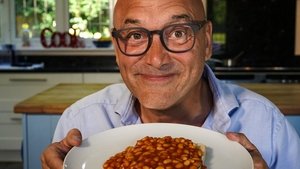
⏱ 59 minGregg reconnects with the Heinz baked beans factory in Wigan which he visited back in 2016. The coronavirus crisis caused a massive spike in the sales of tinned goods, and the baked beans factory upped production to deliver almost 50 million cans in just one month, nearly double the amount of tins they would normally sell in the same period.
7. Keeping Britain Going: Crisps Update
⏱ 59 minGregg reconnects with the Walkers crisps factory in Leicester, the largest crisp factory in the world, which he visited back in 2016. We Brits love a snack, and when the coronavirus crisis hit, sales of packet treats rose by 32% as shoppers spent more than £63 million in just one week.
8. Keeping Britain Going: Tea Update
⏱ 59 minGregg reconnects with the Typhoo tea factory in the Wirral near Liverpool, which he visited back in 2017. The coronavirus crisis caused tea bag sales to soar, and the factory has upped production to produce 109 million tea bags in a week, an increase of 28 million. Throughout the episode, Gregg looks back over his original visit to the factory and the whole production process. First, he helps unload 24 tonnes of dried tea from Kenya and then follows its journey through the 28,500-square-metre factory to make the nation's favourite - good, old-fashioned builder's tea. Meanwhile, Cherry Healey travels to Kenya to see how the tea crop is picked, processed and shipped over 4,000 miles to the UK. She also learns how to master the art of making the best tea bag brew, revealing the top tips for a perfect cuppa. And historian Ruth Goodman explores how tea kept up morale during World War II.
9. Keeping Britain Going: Biscuits
⏱ 59 minGregg Wallace reconnects with the McVitie’s factory in Harlesden, north west London, which he visited back in 2017. The coronavirus crisis caused a huge spike in the nation's desire for sweet treats, and sales of the firm’s chocolate digestives rose by 71 per cent, meaning in just two months, they sold an astonishing 12.5 million packets.
10. Christmas Cards
⏱ 55 minHow Woodmansterne produces 35 million greeting cards a year in Watford - from sketching a card design, to creating an aluminium plate for printing, to guillotining the sheets into cards and the final shipping process. Creating a vegan Christmas feast. The history of the year Christmas was cancelled.
Series 1: How Our Favourite Foods Are Made3 episodes
1. Bread
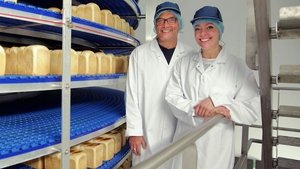
⏱ 59 minGregg Wallace, Cherry Healey and Ruth Goodman look at the production, science and history of bread in Britain.
2. Chocolate
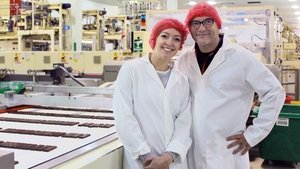
⏱ 58 minGregg Wallace, Cherry Healey and Ruth Goodman look at Britain's love of chocolate and visit one of the world's largest chocolate factories in York.
3. Milk
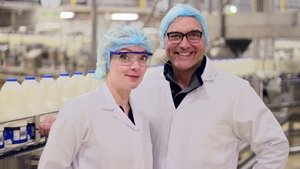
⏱ 59 minGregg Wallace, Cherry Healey and Ruth Goodman look at Britain's history with milk and visit one of the largest fresh milk processing plants on earth.
Series 26 episodes
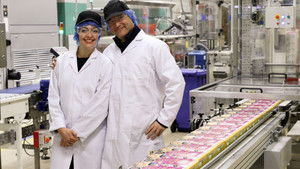
1. Cereal
⏱ 59 minGregg Wallace receives a load of corn fresh off the boat from Argentina and follows its journey through the largest breakfast cereal factory in Europe.
2. Crisps
⏱ 59 minGregg Wallace follows 27 tonnes of potatoes from a farm in Hampshire through the largest crisp factory on earth.
3. Baked Beans
⏱ 59 minGregg Wallace helps to unload 27 tonnes of dried haricot beans and follows them on a journey through the world's largest baked bean factory.
4. Bicycles
⏱ 59 minGregg Wallace visits Britain's largest bicycle factory, which produces 150 folding bikes every day, and joins a production line to make his own bike.
5. Sweets
⏱ 59 minGregg Wallace helps to unload a tanker full of sugar from Norfolk and follows it through one of the oldest sweet factories in Britain.
6. Shoes
⏱ 59 minGregg Wallace visits the UK's largest sports shoe factory to see how they produce 3,500 pairs of trainers every day.
Series 36 episodes
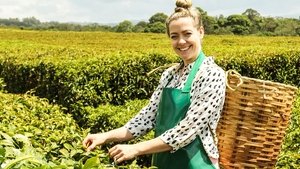
1. Tea Bags
⏱ 59 minGregg Wallace receives some tea leaves from Kenya and follows them through the factory that produces one quarter of all the tea drunk in Britain.
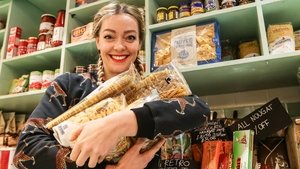
2. Pasta
⏱ 59 minGregg Wallace is at the world's largest dried pasta factory in Italy, where they produce 150,000 kilometres of spaghetti each day.
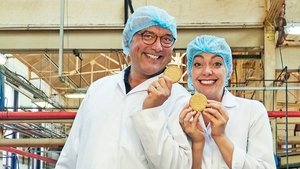
3. Biscuits
⏱ 59 minGregg Wallace follows the production of chocolate digestives and discovers that we are all eating them the wrong way up.
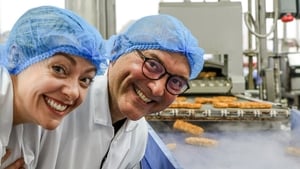
4. Fish Fingers
⏱ 58 minGregg Wallace explores the Grimsby factory that processes 165 tonnes of fish a week and produces 80,000 cod fish fingers every day.
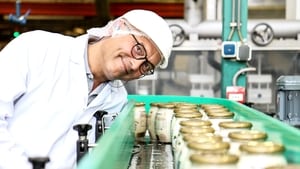
5. Sauces
⏱ 59 minRuth Goodman investigates the origin of Worcestershire sauce, as told by Mr Lea and Mr Perrins.
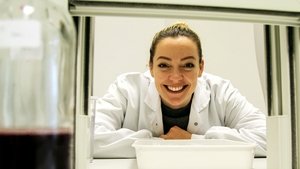
6. Soft Drinks
⏱ 59 minGregg Wallace explores Ribena's Gloucestershire factory. Meanwhile, Cherry Healey is in the lab figuring out why fizzy drinks are so appealing.
Series 49 episodes
1. Coffee
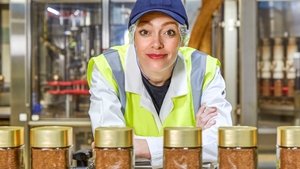
⏱ 59 minHow a factory in Derbyshire produces 175,000 jars of instant coffee every day, from green coffee beans to the freeze-dried final product. How roasting alters the chemical composition of coffee. How caffeine affects the body and brain. How climate change is affecting coffee harvests worldwide, and the coffee species that could cope with warmer growing conditions. The history of instant coffee going back to the American Civil War. How passion for coffee led to the founding of the Stock Exchange, auction houses and newspapers.
2. Toilet Roll
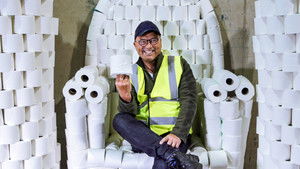
⏱ 59 minHow a factory in Manchester produces 700,000 toilet rolls a day starting with spruce timber offcuts from Sweden, pulped and rolled onto 1.2-tonne 'mother reels'. How the water treatment works of Brighton remove debris, grease and bacteria to produce clean water in little more than an hour. How a high-tech Japanese toilet addresses hygiene. How waterless toilets could improve sanitation for one-third of the world's population. The history of the modern flush toilet.
3. Sausages
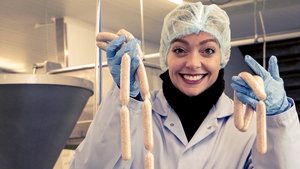
⏱ 59 minHow a factory in North Yorkshire produces 625,000 sausages a day, using machines that can fill 600 sausages in a minute. How low and slow shallow frying delivers the best combination of flavour, moistness and succulence. How veggie protein is created from a tiny speck of natural fungus. How a 'meat sock' is the secret to wrapping a Scotch Egg every three seconds. How German bratwurst became top dog in America, and how German immigrant Charles Feltman originated the hot dog. Cooking up a 2,000-year-old recipe for sausages. How the Romans contributed by importing pepper, bay leaves and other spices that spike modern sausages.
4. Curry
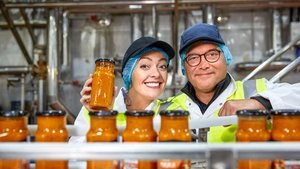
⏱ 59 minHow a factory in Nottinghamshire produces 250,000 jars of curry sauce each day. How chillies are harvested on small farms in India, dried, packed down, and processed into chilli powder. How four rules for cooking rice guarantee it will come out right every time. Recreating a 1747 recipe for rabbit curry. How a British Asian housewife brought restaurant curries closer to Indian home cooking.
5. Potato Waffles
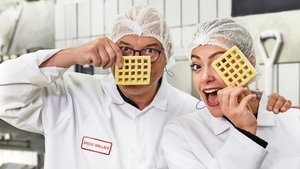
⏱ 59 minHow a factory in Lowestoft produces 450 tonnes of frozen food each day. The differences between waxy and floury potatoes, and which you should use for which job. How the potato's nutritional value compares to other fruits and vegetables. The history of potatoes is traced to Spanish explorers and an enterprising French chemist called Parmentier, who popularised the exotic new vegetable. How Mr Whippy ice creams inspired the potato waffle, a teatime treat.
6. Pizza
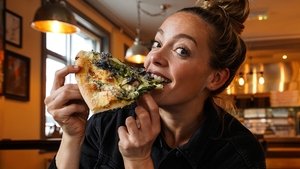
⏱ 59 minHow a factory in Italy produces 400,000 frozen pizzas each day. The science that makes mozzarella work so well on pizza. How pork is transformed into pepperoni. How freezer ships and trucks create the worldwide cold chain that enables this business to exist. How pizza was first popularised by a restaurant in London’s Soho in 1965
7. Beer
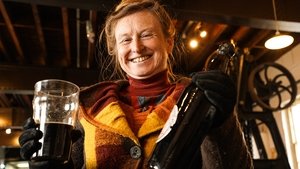
⏱ 59 minHow Britain's biggest brewery produces 3 million pints of beer a day in Burton upon Trent. How four basic ingredients – water, malted barley, hops and yeast – are manipulated to make dark, heavy ales; light, fragrant lagers; and everything in between. How the hard water of Burton – perfect for brewing flavourful stouts and porters – and its position on the canal network made it the centre of brewing in 19th-century Britain. How beer-making turned from a predominantly female cottage industry to an industrialised process dominated by men.
8. Pencils
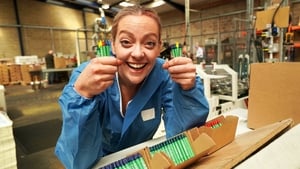
⏱ 59 minGregg Wallace is in Germany at a historic pencil factory where they produce 600,000 writing implements a day. Cherry Healey examines the astonishing properties of graphite. Historian Ruth Goodman traces the origin of pencils to a 15th-century graphite discovery in the Borrowdale valley.
9. Cheese
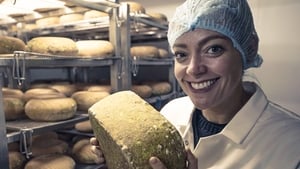
⏱ 59 minHow a cheese factory in Gateshead produces 3,000 tonnes of spreadable cheese every year - making cheddar, chopping and blending it with whey, water, and other ingredients. How bacteria affect the aroma, flavour and appearance of cheeses. How to make perfect cheese on toast. How cheddar became the predominant hard cheese world wide. How Kraft made processed cheese 100 years ago.
Series 59 episodes
1. Cherry Bakewells
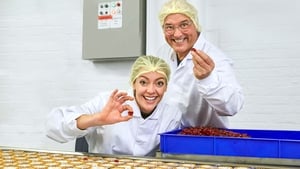
⏱ 55 minHow a factory in Stoke-on-Trent produces 250,000 little cherry bakewell tarts every day - from what makes a shortcrust pastry 'short' to the team of 12 precisely placing the cherry on top of every one by hand. How to swerve a soggy pastry bottom when baking pies and tarts at home. How almonds are roasted and milled into almond butter ready for toast. The origin story of frangipane, the fragrant almond filling used in cherry bakewell. How the modern cherry bakewell actually descends from a mistake.

2. Wax Jackets
⏱ 55 minHow a factory in South Shields produces 650 water-resistant waxed jackets a day - from 500-metre-long rolls of undyed cotton, to dipping the finished fabric into baths of heated wax, to assembling each jacket from 23 pieces. How a breathable membrane is key to allowing sweat to get out while keeping water from getting in. How a simple wooden stick is transformed into a top-notch umbrella using saws, pliers, and needle and thread - techniques barely changed in 150 years. The history of seamen adapting oil-covered sail cloth into garments.

3. Croissants
⏱ 55 minHow a factory in France produces 336,000 croissants every day - from the 21 tonnes of butter, to the 83-year-old strain of yeast that packs a flavourful punch, to the layering of very thin slices of butter between sheets of dough to create the famously flaky texture. How croissants are best served - and eaten. How 'concentrated' butter produced in north Wales enhances the shelf life of croissants. The history of the croissant, thought to originate from 17th-century Austria, and emerging in its modern French form as late as 1906. How bread played a vital role in the French Revolution.

4. Mattresses
⏱ 55 minHow a factory in Leeds produces 600 bouncy beds every day - from making steel into springs, to their placement in individual pockets and covering in natural fibres like hemp and wool designed to wick away sweat. How a short, twenty-minute sleep improves reaction times. How wool is shorn from sheep, and its inherent anti-bacterial and fire-retardant properties that make it well suited to mattresses. How the modern spring mattress evolved. How a famous Scandinavian-inspired home store is responsible for popularizing the duvet.

5. Pasties
⏱ 55 minHow a bakery in Cornwall produces 180,000 Cornish pasties a day. There are rules: A Cornish pasty must be made in Cornwall; the filling can only contain onion, potato, swede, beef and some seasoning; and each ingredient must be cooked from raw within the pastry parcel. The versatility of onions, and how they make us cry. How anaerobic digestion turns food factory waste into electricity. Challenging the pasty's origin story. How importation of pepper eventually transformed it from a precious commodity to a spice that everyone could afford.
6. Pots and Pans
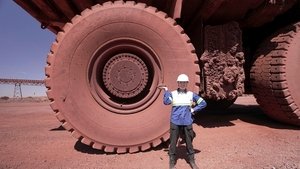
⏱ 55 minHow a foundry in France produces a cast iron pot every five seconds - from the arrival of 20 tonnes of crude iron right through to brightly coloured orange casserole dishes. How a South African iron ore mine - one of the largest in the world - produces a staggering 670,000 tonnes every day. The science behind cooking the perfect casserole - more cooking time isn't always better. The history of one-pot cooking to prepare simple meals, from communal ovens to 1970s slow cookers. How casting iron in sand moulds democratised the kitchen through affordable cookware.
7. Soup
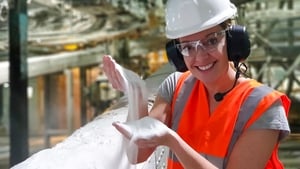
⏱ 55 minHow a factory in Wigan produces two million tins of soup a day. Vegetable soup is followed from a pea harvest in Yorkshire right through to the finished soup going into cans and being dispatched. How the vitamin content of frozen vegetables can greatly exceed that of fresh. How a spinach soup based on a 17th-century recipe doesn't much resemble soup as we know it today. The history of the soup kitchen.

8. Liqueurs
⏱ 55 minHow a factory in Ireland produces 540,000 bottles of liqueurs a day. From grain, to barrel aging, to mixing cream and whiskey together, the show traces the production of a cream liqueur over the span of three years. How Ireland’s bottles and jars are recycled at a plant processing 500 tonnes every day. How all alcoholic drinks - not just aperitifs - stimulate appetite. The rules for producing and labelling whiskey, bourbon, and blends. How monks invented liqueurs. The impact of modern distillation methods on traditionally made alcohols like Irish whiskey.
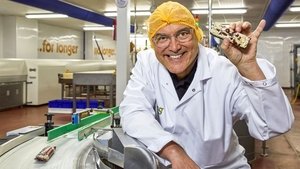
9. Cereal Bars
⏱ 55 minHow a factory in Essex produces 400,000 cereal bars a day - from nuts to cranberries and sultanas to puffed rice, with a carefully balanced blend of honey and glucose binding it all together for the ideal texture. How macadamia nuts are harvested in South Africa, and shelled under extraordinary pressure. The scientific distinction between botanical nuts, legumes and drupes. The history of Britain's cereal bars, including one Kendal Mint Cake snack bar made popular by famous explorers Ernest Shackleton and Sir Edmund Hillary.
Series 63 episodes
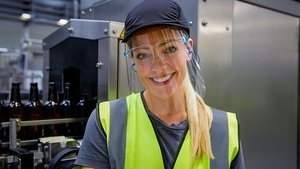
1. Cider
⏱ 59 minHow the world's biggest cider producer makes more than 350 million litres each year - from orchards in Herefordshire, to the mill in Ledbury, to fermentation and bottling at the factory. How grafting is used to create a new sweet apple variety called Scrumptious. How a by-product of making cider - CO2 - is used to make fire extinguishers. The history of the Victorian apple-breeding boom, and recreating one of Queen Victoria's favourite baked apple desserts.
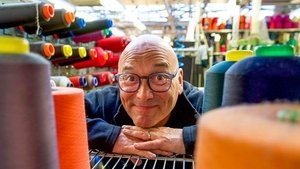
2. Socks
⏱ 59 minHow a Leicester factory makes one and a half million socks annually. What causes smelly feet, and which socks tackle it best. How a cotton spinner in Manchester produces 4,200 miles of yarn every hour. A revolutionary eco-cotton supplier. The history of 1980s sock fashion, and how the 'Kitchener stitch' helped save the feet of British soldiers in the trenches during the Great War.
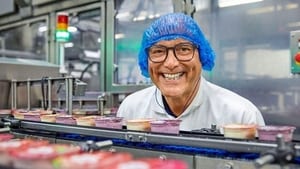
3. Yoghurt
⏱ 59 minHow one million pots of yoghurt are produced every 24 hours in rural Somerset - from the Friesian cows that provide the milk to the processing, culturing, and packing processes. How blackcurrant are harvested. Plant-based alternatives to milk. Food-safe yoghurt pots made from 100% recycled material. The history of the electric milk float and the contentious origins of the cream tea.
Series 717 episodes

1. Christmas Cards
⏱ 59 minHow Woodmansterne produces 35 million greeting cards a year in Watford - from sketching a card design, to creating an aluminium plate for printing, to guillotining the sheets into cards and the final shipping process. Creating a vegan Christmas feast. The history of the year Christmas was cancelled.

2. Diggers
⏱ 59 minHow JCB make as many as a hundred iconic yellow diggers every single day in Rocester, Staffordshire, requiring just 45 hours to make a digger from scratch, and consuming 650 tonnes of steel, 170,000 bolts, 5,000 litres of paint and 236 miles of wiring each week.

3. Malt Loaf
⏱ 59 minHow the largest malt loaf factory in the world makes the sweet and squidgy cake-cum-bread, a popular teatime treat consumed at the rate of 130 million a year. How a British baking company cooked up the first business computer. How wheat flour was ground the traditional way, until the Victorians' demand for white bread brought about the demise of Britain's iconic windmills.
4. Chairs
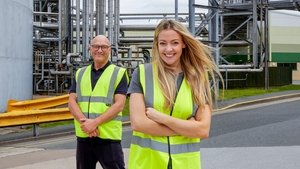
⏱ 55 minGregg Wallace visits the Ercol factory in Buckinghamshire to follow the production of a Windsor chair. Cherry Healey investigates how sitting too much could be very bad for our health. Historian Ruth Goodman discovers how utility furniture made during the Blitz is still influencing the designs we buy today.
5. Leather Boots
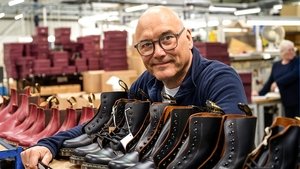
⏱ 55 minGregg Wallace visits a bootmaking factory in Wollaston, Northamptonshire to follow the production of a pair of Dr. Martens, while Cherry Healey gets to grips with the machines that make shoelaces.
6. Tortilla Chips
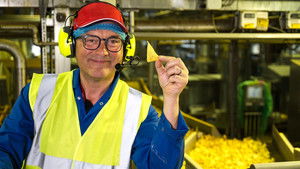
⏱ 55 minHow the biggest tortilla factory in Europe makes 60,000 tonnes of snacks every year in Coventry, including their UK bestseller: chilli heatwave flavour tortilla chips. Tasting the hottest chilli in the world at the UK's largest chilli farm. The science behind the UK's first compostable crisp packet. How the Elizabethans kept their huge ruff collars standing to attention, and how American popcorn became a box office smash.
7. Mugs
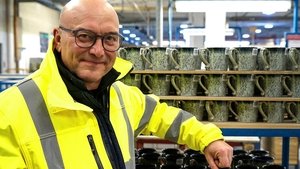
⏱ 55 minHow Denby - potterymaker since 1809 - produces one of their best sellers, the Halo Heritage mug, in Derbyshire. The journey starts at the factory's 100-metre-long, 100,000-tonne mound of clay.
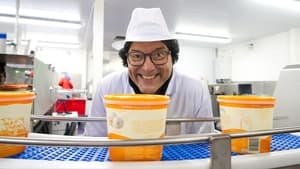
8. Ice Cream
⏱ 55 minHow a family-run factory in rural Aberdeenshire churns out fifty thousand litres of dairy ice cream every day. How best to stop 'brain freeze.' How sprinkles are made. How ice cream vans made soft whip a favourite on Britain's streets.
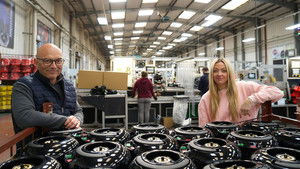
9. Vacuums
⏱ 59 minHow a 32-acre site in Somerset makes 1.2 million Henry vacuum cleaners every year.

10. Trains
⏱ 59 minHow Alstom builds a 187-tonne, five-carriage electric train on their 84-acre site in Derby. How the train's aluminium is made at the UK's last remaining smelter in Scotland. How tunnel boring machines are digging ten miles through the hills for the new HS2 line. The history of the UK’s first electric train - Brighton's seafront tourist train, still used today - and how that technology went on to be used in underground transportation all over the world.
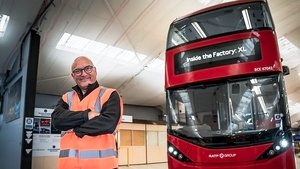
11. Buses
⏱ 59 minHow London's famous red double-decker bus - including a fully electric model - is built in Scarborough, Yorkshire, highlighting the tough laminated heated windscreens and bright red coat of paint. How the turbines at an offshore wind farm convert wind into watts. The history of London's earliest double-deckers and their vital role in the First World War.
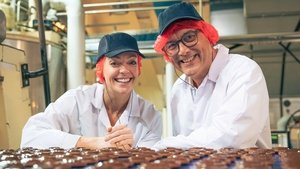
12. Jaffa Cakes
⏱ 58 minHow a factory in Manchester churns out 6 million Jaffa Cakes every single day - 1.4 billion per year. The legal significance of whether Jaffa Cakes are cakes or biscuits.
13. Pork Pies
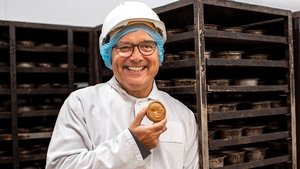
⏱ 59 minHow Vale of Mowbray make pork pies - including 425,000 a week of their 75g snack-sized traditional pie - in Northallerton, Yorkshire. Hacks for the perfect vegan shortcrust pastry. How piccalilli, a pork pie accompaniment, is made. The history of Britain's unusual stargazy pie, and powdered egg during the Second World War.
14. Crumpets
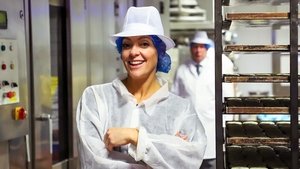
⏱ 58 minHow a factory makes 432 million classic British crumpets every year from a precise combination of ingredients, using some clever chemistry to create their famous 'holey' texture. The science of making the perfect pancake batter. How another British favourite, Eccles cakes, are made in Manchester for shipment all over the world. The history of how crumpets got their rise and eventually their bubbles, and Britain's obsession with toasting baked goods.
15. Vegan Sausages
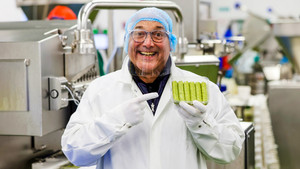
⏱ 59 minThe futuristic process by which Heck churn out up to 90,000 vegan sausages a day in Yorkshire. How Canadian soy beans are transformed into protein-packed tofu. How a vegan superfood of the sea is harvested on the Scottish coast. The history of the vegetarian movement in Britain, and the high price that British sailors paid when deprived of their five a day.
16. Rice Pudding
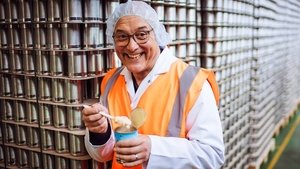
⏱ 59 minGregg Wallace explores the Ambrosia factory in Lifton, Devon, to reveal how it makes up to 360,000 rice puddings every single day. How fresh water from the Alps is used to grow more than a million tonnes of rice every year in Italy's Po Valley. The history of school dinners.

17. Mints
⏱ 59 minHow Polos produce 32 million mints every day in York - part of the 19,000 tonnes of mints consumed every year in the UK. The largest sugar beet factory in Europe. How one of the last surviving peppermint farms in the UK harvest their crop. How clever marketing persuaded people to buy minty mouthwash.
Series 810 episodes
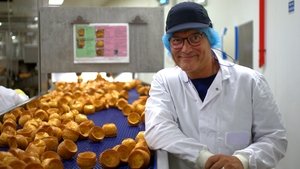
1. Yorkshire Puddings
⏱ 58 minHow Aunt Bessie's produce a staggering 500 million Yorkshire puddings every year in Hull. How wheat is tested before it can be milled into flour. How to cook the perfect gravy for a Sunday roast. The history of the roast dinner, and the art of washing up Tudor-style.
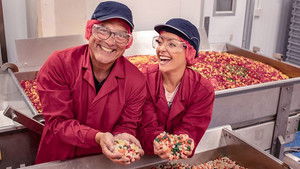
2. Jelly Beans
⏱ 59 minHow Jelly Bean Factory make ten million of their colourful little sweets every day in Dublin. The important role glucose plays in our bodies. How one of the ingredients in jelly beans plays a key role in the production of lipstick. The history of jelly and post-war pick'n'mix.
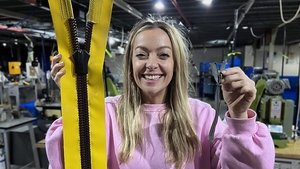
3. Jeans
⏱ 58 minHow denim cloth is made, and how Welsh jeans brand Hiut transform it into one of the world's most popular items of clothing - jeans. How zippers are made. How denim is distressed to make a new pair of jeans look old, in environmentally friendly ways. The little-known person who helped shape the design of jeans forever. The history of indigo dye.
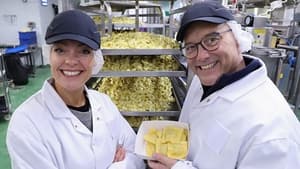
4. Stuffed Pasta
⏱ 59 minHow Dell Ugo make 500 million stuffed pasta parcels every year in Hertfordshire. How Cromer on the Norfolk coast still use traditional fishing techniques to catch the crab for stuffed pasta. How Italian immigrants in Bedford helped to build Britain. The origins of gluten-free food.
5. Stout
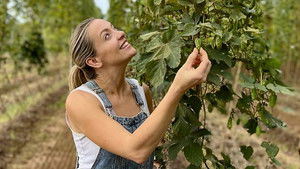
⏱ 58 minHow Guinness make two million litres of Irish stout every single day. How reservoir water is treated to provide clean drinking water to the people of Dublin, as well as to the stout brewery. How hops are harvested at a farm in Worcestershire. The history of Irish pubs, and how pub games helped the Allies in the Second World War.
6. Bath Bombs
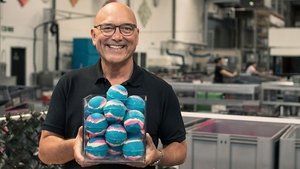
⏱ 58 minHow Lush produce an astonishing 14 million bath bombs every year in Dorset. How taking a hot bath can provide some of the benefits of exercise. How a lab grows human skin for cosmetic testing. The notion that complex perfumes ward off the plague. How the living conditions of coal miners and their families were transformed by the introduction of communal showers.
7. Carpets
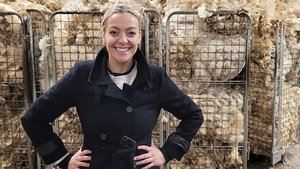
⏱ 58 minHow Axminster produces 46,000 square metres of carpet every year in Devon. The science behind the best ways to remove stubborn stains from carpets such as butter, milk and red wine. How the groundbreaking methods of a Devon-based carpet maker in the 18th century revolutionised intricate carpet making. The rise and fall of the hard-wearing flooring linoleum.
8. Chocolate Bars
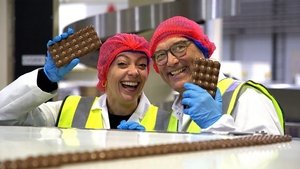
⏱ 58 minHow Nestle make more than eight million bars of chocolate every day in York - the UK's city of chocolate. How a cocoa plant quarantine facility in the Berkshire countryside is preventing a worldwide chocolate shortage. The bitter history of drinking chocolate.

9. Sofas
⏱ 58 minHow HSL make more than 5,000 sofas every year in West Yorkshire. The science of light bulbs, to create the perfect environment to snuggle up on the sofa. How foam padding is produced. The history of the sofa. One of the world's most famous sewing machines.

10. Paint and Wallpaper
⏱ 58 minHow Farrow & Ball produce up to 200,000 litres of paint and 10,000 metres of wallpaper a week in Dorset. How a key ingredient in paint-making is mined in Devon. The art of hanging wallpaper, and its history. How ships in the First World War were painted with dazzling patterns to evade German submarines.
Series 96 episodes

1. Chocolate Seashells
⏱ 58 minIn this Christmas special, new presenter Paddy McGuinness and Cherry Healey visit a chocolate factory in Belgium that produces four million chocolate seashells every day. Cherry Healey is also in Belgium, learning the secrets of white chocolate production at the biggest chocolate factory in the world, and Ruth Goodman is in a city with a familiar-sounding name, Saint Niklas, exploring the European origins of Santa.
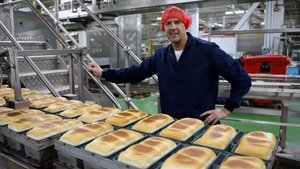
2. Sliced Bread
⏱ 58 minPaddy McGuinness makes a wonderfully nostalgic trip to the Warburtons factory in his hometown of Bolton where, thirty years ago, he had a Saturday job cleaning the machines. Meanwhile, Cherry Healey discovers how waste bread is turned into beer, and historian Ruth Goodman reveals why white bread was banned during World War Two.
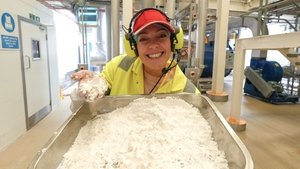
3. Cheese Curls
⏱ 59 minNew presenter Paddy McGuinness visits a factory in Lincoln to explore how they make 500 million packs of Quavers every year. Cherry Healey learns how Bombay Mix is made, while Ruth Goodman reveals the wartime story behind our love of cheese flavouring.
4. Flapjacks
⏱ 59 minPaddy McGuinness visits a factory that makes forty million flapjacks a year. Meanwhile, Cherry Healey learns how oats can benefit gut health, and Ruth Goodman savours the history of the Staffordshire oatcakes and golden syrup.
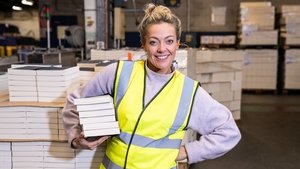
5. Hardback Books
⏱ 59 minPaddy McGuinness visits a factory that produces three million books every week. Cherry Healey is learning how an intricate design is printed onto cloth for the hard covers. Meanwhile historian Ruth Goodman uncovers the extraordinary origins of Braille.
6. Sausage Rolls
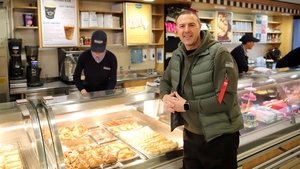
⏱ 59 minPaddy McGuinness visits a factory in Northern Ireland to learn how they make more than half a million sausage rolls every day. Cherry Healey discovers how black pudding is made, while historian Ruth Goodman reveals how the humble sausage skin gave a surprising lift to a weapon of war.
Series 106 episodes
1. Gingerbread
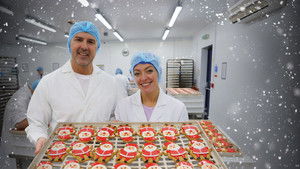
⏱ 58 minPaddy McGuinness and Cherry Healey are in the festive spirit as they join factory workers in Market Drayton producing gingerbread Santa and reindeer biscuits for Christmas.
2. Jammy Biscuits
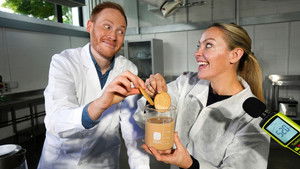
⏱ 59 minPaddy McGuinness and Cherry Healey visit a factory in south Wales that produces a whopping 4.4 billion biscuits a year.
3. Oven Chips
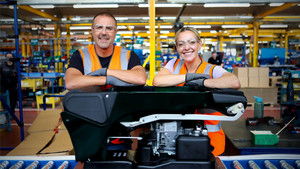
⏱ 58 minPaddy McGuinness and Cherry Healey visit a factory near Scarborough that produces an incredible 80 million chips every single day.
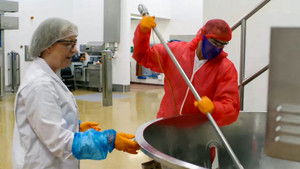
4. Throat Lozenges
⏱ 58 minPaddy McGuinness visits a medicine factory in Nottingham that’s helping to tackle the nation’s colds and flu, producing 230 million tablets and lozenges every single week.
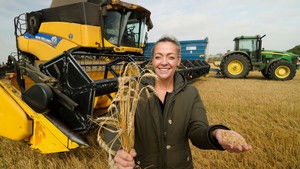
5. Breakfast Cereal
⏱ 59 minPaddy McGuinness visits a huge factory in north Wales that churns out an incredible 120 million boxes of breakfast cereal a year.
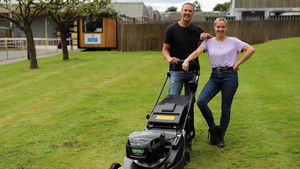
6. Lawnmowers
⏱ —Paddy McGuinness and Cherry Healey enjoy a summertime visit to a factory in Hertfordshire that produces 15,000 lawnmowers every year.