Houses of Art (2023)
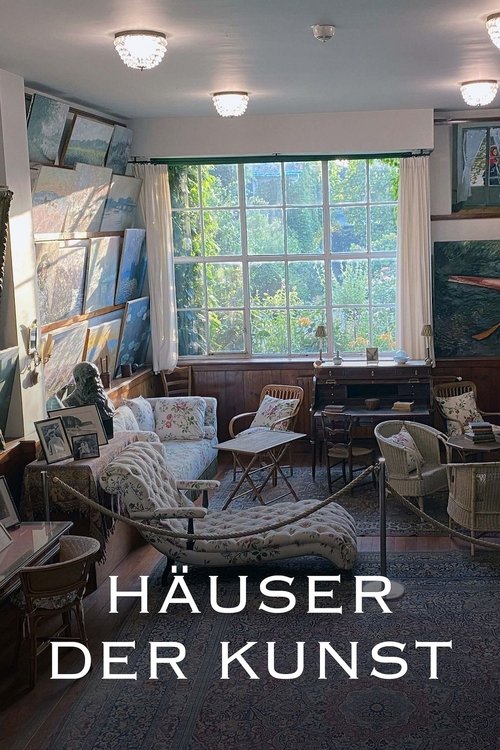
The series Houses of Art takes viewers to places where great artists lived, worked, and found inspiration. It is in these settings that masterpieces were created and personal dramas unfolded—offering a cinematic journey of discovery through the landmarks of European art history. Far from the bustle of the world, artists found creative momentum in homes that still bear the imprint of their genius today, attracting visitors from all corners of the globe.
📺 Seasons & Episodes
Specials2 episodes
Season 14 episodes
1. Derneburg Castle: Georg Baselitz and His Heirs
⏱ 27 minDerneburg Castle – for almost a thousand years a place where art is created. Once a monastery, it soon became the largest private art museum in Europe. One of Germany's most important painters, Georg Baselitz, lived and worked here. Since 2006, Derneburg has belonged to the collector couple Andrew and Christine Hall. They are transforming the castle into Europe's largest private museum of contemporary art.
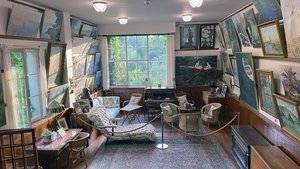
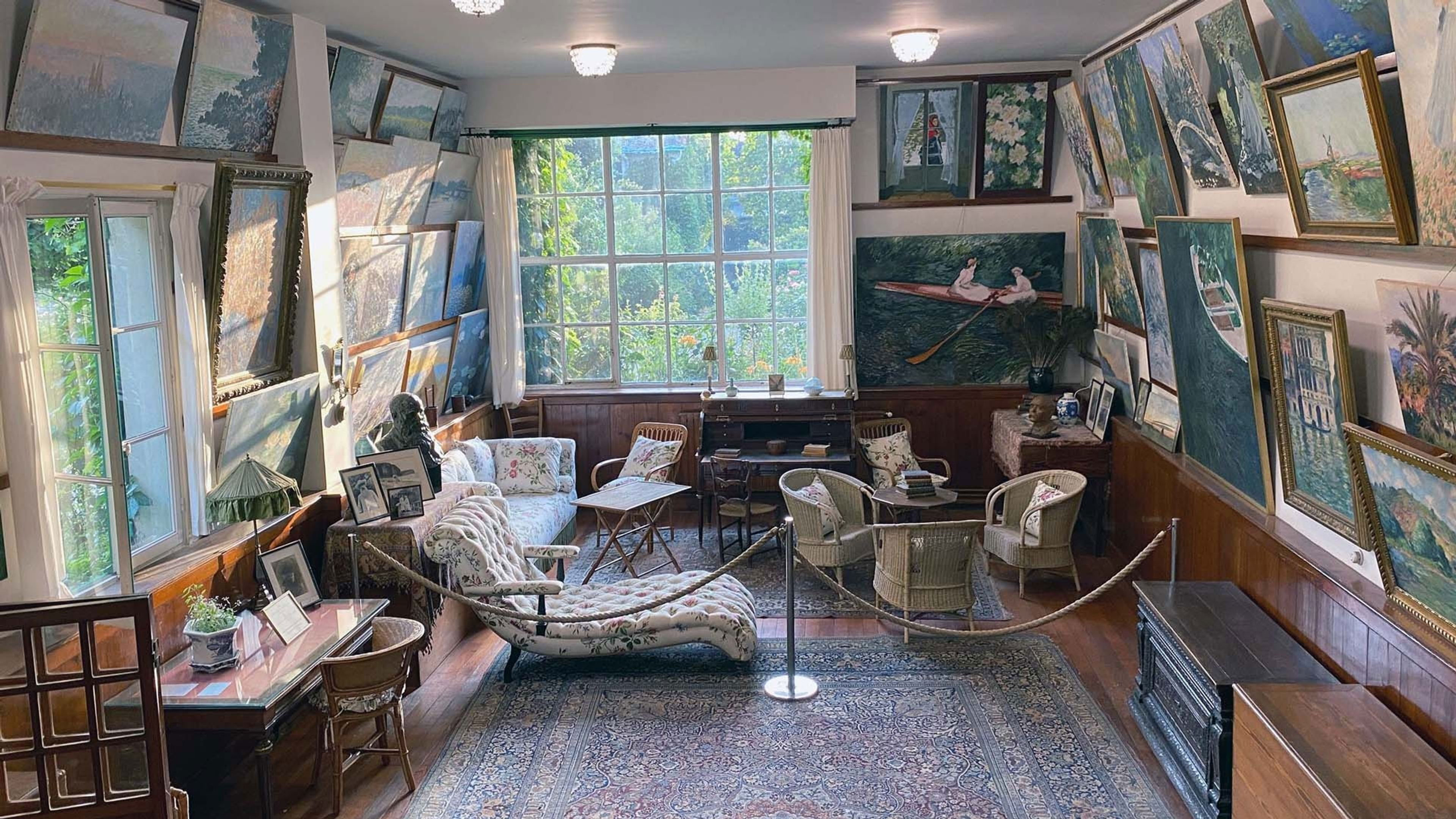
2. Claude Monet: The Garden House in Giverny
⏱ 27 minClaude Monet's house in Giverny is a place that continues to captivate people to this day: He moved in here as a penniless painter with his patchwork family of ten and became a world-renowned artist. The garden he created here, which served as inspiration for countless works, still fascinates people today.
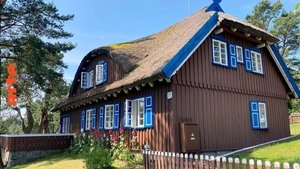
3. Thomas Mann: The Summer House in Nida
⏱ 28 minLithuania, on the Curonian Spit, reflects the history of an entire century. Charmed by the landscape, the German writer (1875-1955) found peace and inspiration there before deciding in 1930 to build his summer home on this strip of sand and pine trees. But with the rise of the Nazi party to power, the Mann family went into exile...
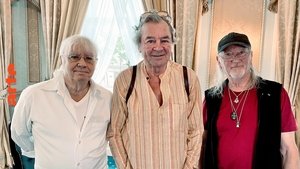
4. Montreux: A casino makes music history
⏱ 27 minThe Montreux Casino in Switzerland has played a significant role in music history. It was here that the world-famous Montreux Jazz Festival was launched in 1967. In 1971, the original building burned down after a concert, an event that famously inspired Deep Purple to write their hit song “Smoke on the Water.” Following the fire, a new casino was built, featuring a recording studio that attracted major international artists such as The Rolling Stones, David Bowie, and Michael Jackson. Among them, Queen left an especially lasting legacy, recording their final albums there. To this day, Montreux honors the band’s iconic lead singer, Freddie Mercury, who died of AIDS in 1991.
Season 24 episodes
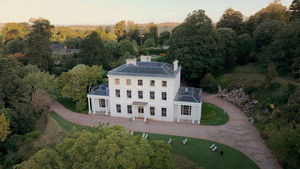
1. Agatha Christie and her Greenway House
⏱ 26 minAgatha Christie spent her happiest time at Greenway Estate, her summer residence in Devon. The mystical landscape reminded her of her childhood and inspired her to create gruesome literary murders. But Greenway was more than just a summer home for the shy, world-famous author. It was her refuge, which she unfortunately had to leave after only a year.
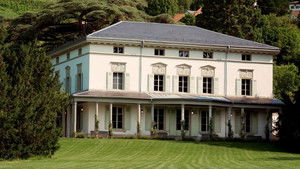
2. Charlie Chaplin and the Manoir de Ban
⏱ 26 minThe film takes us to the Manoir de Ban, the idyllic villa on Lake Geneva that Charlie Chaplin moved into with his family in 1952 after he was denied re-entry into the USA. Private, some previously unreleased, film footage and interviews offer a glimpse into Chaplin's daily life as a husband, father, and artist.
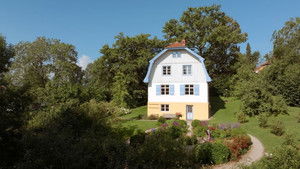
3. Gabriele Münter and her house in Murnau
⏱ 26 minThe Münter House in Murnau am Staffelsee captivates people from all over the world: It was the center of the art movement "Der Blaue Reiter" (The Blue Rider), and the painter Gabriele Münter lived here with her lover Wassily Kandinsky until the First World War. During the Nazi era, she hid around a thousand paintings here that were considered degenerate.
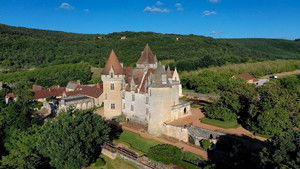
4. Josephine Baker and her Château Les Milandes
⏱ 26 minThe Château Les Milandes in southwestern France is a place with a fascinating history: Josephine Baker lived here. During the Second World War, she hid weapons and refugees from the Nazis here. Her twelve adopted children also grew up in the château until her luxurious lifestyle led to Les Milandes being auctioned off.