Eurovision Song Contest (1956)
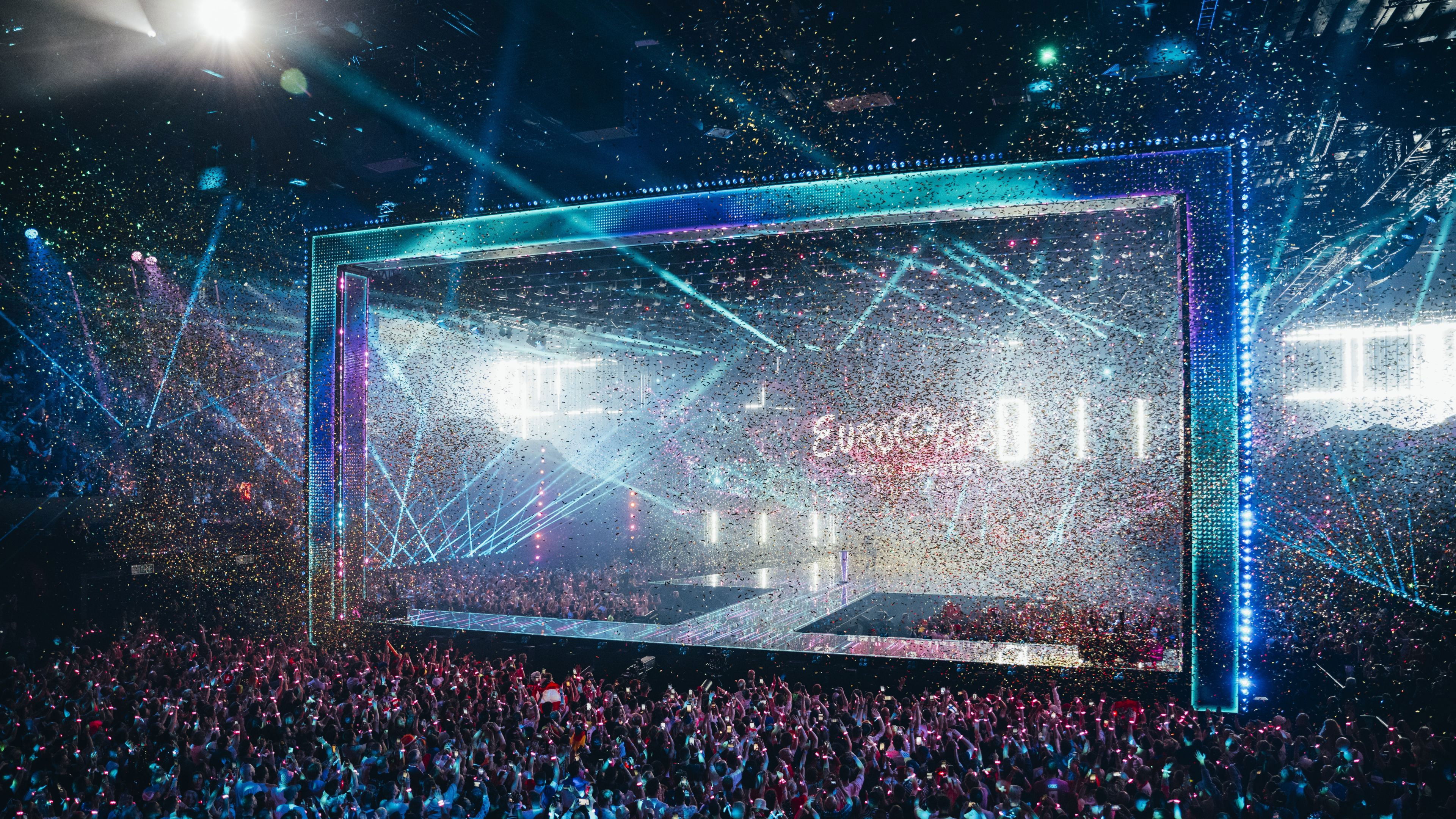
The Eurovision Song Contest is an international song competition, organised annually by the European Broadcasting Union (EBU) and featuring participants representing primarily European countries. Each participating country submits an original song to be performed on live television and radio, transmitted to national broadcasters via the EBU's Eurovision and Euroradio networks, with competing countries then casting votes for the other countries' songs to determine the winner.
📺 Seasons & Episodes
Specials28 episodes
1. Eurovision Song Contest's Greatest Hits
⏱ —No description available.
2. Songs of Europe
⏱ —No description available.
3. 2020: Come Together
⏱ —No description available.
4. 2020: The A-Z of Eurovision
⏱ —No description available.
5. Eurovision at 60
⏱ —No description available.
7. Eurovision Song Contest 2020 - Das deutsche Finale live aus der Elbphilharmonie
⏱ —No description available.
8. Eurovision Song Celebration 2020 (1)
⏱ —No description available.
9. Eurovision Song Celebration 2020 (2)
⏱ —No description available.
10. Eurovision 2020: Big Night In
⏱ —No description available.
11. EurovisionAgain Semi-Final Special
⏱ —No description available.
12. Boom Bang a Bang: 50 Years of Eurovision
⏱ —No description available.
13. How to Win Eurovision
⏱ —No description available.
14. Ireland and the Eurovision – the Good, the Bad and the Mad
⏱ —No description available.
15. When Eurovision Goes Horribly Wrong
⏱ —No description available.
16. Eurovision Song Celebration: Live-on-Tape (1)
⏱ —No description available.
17. Eurovision Song Celebration: Live-on-Tape (2)
⏱ —No description available.
18. Congratulations: 50 Years of the Eurovision Song Contest
⏱ —No description available.
19. Europe Shine a Light
⏱ 119 minEurovision: Europe Shine a Light honours all 41 songs that would have competed in the 2020 contest, but in a non-competitive format.
20. Sam Ryder: Road To Eurovision
⏱ 29 minSam became a viral TikTok star during the pandemic, reaching a huge fanbase of 12 million people. We follow his journey as he represents the UK at the 66th Eurovision Song Contest
21. The Big Eurovision Party 2023
⏱ 99 minSome of the biggest stars in the recent history of the Eurovision Song Contest take to the stage in Amsterdam to perform their best known Eurovision bangers and ballads. The party is presented by Eurovision legend Edsilia Rombley, with the UK’s very own Rylan taking viewers back-stage to chat with the stars. Acts performing include 2022 winners Kalush Orchestra, Subwoolfer, Greece’s 2021 entry Stefania, and TIX.
22. Episode 22
⏱ 45 minNo description available.
23. Episode 23
⏱ —No description available.
24. Episode 24
⏱ 105 minNo description available.
25. Episode 25
⏱ 40 minNo description available.
26. Episode 26
⏱ 30 minNo description available.
27. Episode 27
⏱ 180 minNo description available.
28. Graham Meets Olly
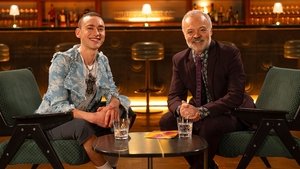
⏱ 9 minGraham Norton chats to Olly Alexander, the UK's act for Eurovision 2024. The two superfans talk candidly and reveal more details, including the music video for Olly’s song Dizzy.
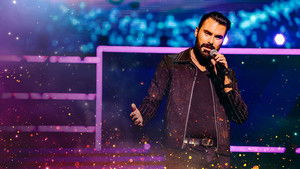
29. The Big Eurovision Party
⏱ 105 minGet ready for a spectacular show filled with some of the biggest names from the history of the Eurovision Song Contest. Straight from the Ziggo Dome in Amsterdam, Eurovision legends come together to celebrate the rich musical legacy of the iconic event. The Big Eurovision Party is a celebration of music, energy and excitement as the artists take the stage to perform some of the most memorable songs from the past while Rylan catches up with some of them backstage. With performances by Conchita Wurst, Johnny Logan, Käärijä, Måns Zelmerlöw, Cornelia Jakobs, Gjon’s Tears, Alessandra, Rosa Linn and many more. You do not want to miss this party!

















Istanbul 20042 episodes
1. Semi-final
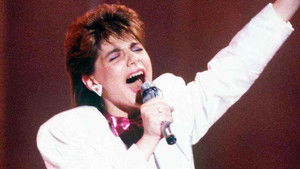
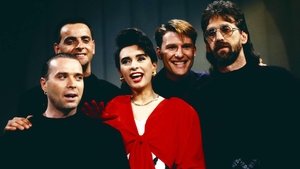
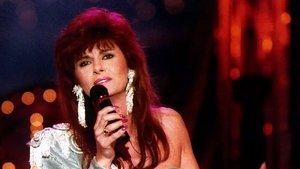
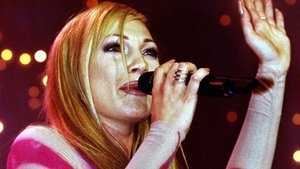
⏱ 120 minIn 2003, it was decided that a Semi-Final would be held in 2004 with only the so-called 'Big Four' (Germany, UK, France and Spain) plus the ten most successful countries from the 2003 ranking having a place in the Final. Ten remaining countries would qualify from the Semi-Final, which was held on the Wednesday prior to the Eurovision Song Contest Final night on Saturday. 22 countries decided to took part in the 2004 Semi-Final, all countries used telephone and SMS voting. Several new countries entered in 2004; Andorra, Albania and Belarus along with Serbia & Montenegro. Monaco returned to the contest after a 25-year absence.
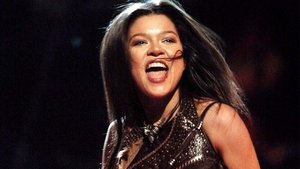
2. Final
⏱ 196 minTen countries qualified from the Semi-Final: Serbia & Montenegro, Ukraine, Greece, Albania, Cyprus, the Netherlands, Bosnia & Herzegovina, Malta, Croatia and FYR Macedonia. Greece sent one of its biggest stars to Istanbul, Sakis Rouvas, who gave an energetic performance of his song Shake It. Similarly Serbia & Montenegro was represented by a singer who was big in the Balkans, Željko Joksimović.
Kyiv 20052 episodes

1. Semi-Final
⏱ 138 minNo description available.

2. Final
⏱ 206 minThe 2005 contest was seen by many as an open competition with fans and pundits divided over which country would win. The 2005 contest saw many previous participants return to the stage. Helena Paparizou, who represented Greece as part of the group Antique, returned to the contest with the song My Number One. Chiara, who finished third for Malta in 1998, returned to the contest as did Constantinos Christoforou who represented Cyprus in 1996 and in 2002 as part of the group One. Annabel Conde, who represented Spain in 1995 was a backing singer for Andorra and Selma who finished second for Iceland in 1999, failed to qualify from the Semi-Final with her song If I Had Your Love.
Athens 20062 episodes

1. Semi-Final
⏱ 141 minNo description available.

2. Final
⏱ 183 minCarola, who won the Eurovision Song Contest for Sweden in 1991 and finished third in 1983, returned to the contest with her song Invincible, was widely tipped to do well. Another hotly tipped winner was Russian singer Dima Bilan with his song Never Let You Go. German group Texas Lightning did well in at the bookmakers with their refreshing pop-country song No No Never, but the song only managed a disappointing 14th place. Anna Vissi, the Greek pop queen who had already participated in the song contest in 1980 and 1982, had high hopes to win the competition with her dramatic performance of Everything.
Helsinki 20072 episodes

1. Semi-Final
⏱ 160 minNo description available.

2. Final
⏱ 193 minHost Broadcaster YLE adopted True Fantasy as the slogan for this year's contest. The high-tech stage was constructed in the shape of a kantele, a traditional Finnish instrument. The contest's Presenting Partner was TeliaSonera and the International Presenting Partners were Nobel Biocare and the European Year of Equal Opportunities for All. The Final opened with Lordi, the monster rock band that brought that contest to Finland. The UK entry was performed by pop group Scooch who dressed as flight attendants. Ukraine sent Verka Serduchka, a drag act, who performed the song Dancing Lasha Tumbai, which finished second. Verka has gone on to become an iconic figure in recent Eurovision history.
Belgrade 20083 episodes
1. Semi-final 1
⏱ 122 minNo description available.
2. Semi-final 2
⏱ 120 minNo description available.
3. Final
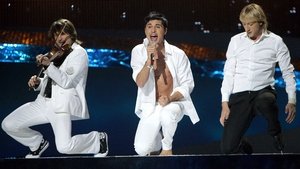
⏱ 196 minFor the first time in the history of the Eurovision Song Contest, two Semi-Finals were held to decide which 25 countries would be represented in the Final. The Final of the contest took place on the 24th of May, just like the first ever Eurovision Song Contest in 1956. Serbia hosted the 2008 Eurovision Song Contest in the Belgrade Arena. A record 43 countries participated including San Marino and Azerbaijan who made their respective debuts. Austria withdrew and did not return to the competition until 2011. France was represented by a major star, Sébastien Tellier, however he failed to impress the voters of Europe and finished in 19th place. Ukraine's Ani Lorak, who was in the running to represent her country in 2005, finished in second place with her song Shady Lady. Charlotte Perrelli (Nilsson), who won the contest in 1999 for Sweden returned to the competition but finished 18th in the Grand Final.
Moscow 20093 episodes

1. Semi-Final 1
⏱ 120 minNo description available.

2. Semi-Final 2
⏱ 120 minNo description available.

3. Final
⏱ 196 minChannel One Russia hosted one of the biggest contests in the event's history. The stage was spectacular, using one-third of the world's available LED screens at the time. Then-Prime Minister Vladimir Putin even visited the Olympic Indoor Arena during preparations. A major rule change saw the re-introduction of national juries, which accounted for 50% of the result alongside televoting. Georgia's entry was deemed to have broken contest rules, leading the country to withdraw rather than submit a different song. Estonia achieved a credible sixth place with "Rändajad", the first song performed fully in Estonian since 1998. The United Kingdom scored its best placing since 2002; Jade Ewen's "My Time", written by Dianne Warren and composed by Andrew Lloyd Webber, finished in fifth place.
Oslo 20103 episodes

1. Semi Final 1
⏱ 119 minNo description available.
2. Semi Final 2
⏱ 120 minNo description available.
3. Final
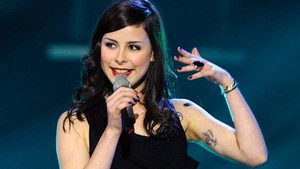
⏱ 191 minThirty-nine countries took part in the 2010 contest, which was produced under the slogan Share the Moment. Georgia returned after a one year absence whilst Andorra, the Czech Republic, Hungary, and Montenegro all withdrew. Lithuania originally announced its withdrawal from the competition, but was later among the 39 participants confirmed by the EBU. The global financial crisis was affecting many participating broadcasters at the time and many withdrawals were due to budgetary constrains. The interval act involved a flashmob including participants from across Europe. The outdoor footage was intercut with webcam footage from individual private households - Europe really was sharing the moment.
Düsseldorf 20113 episodes
1. Semi Final 1
⏱ 129 minNo description available.
2. Semi Final 2
⏱ 120 minNo description available.
3. Final
⏱ 208 minGermany hosted the Eurovision Song Contest for the first time since 1983, with Düsseldorf being chosen as the host city after an open selection process. A total of 43 countries participated. The biggest news was Italy's return after a ten-year absence. Italy joined France, Germany, Spain, and the UK, expanding the "Big Four" into the "Big Five," with all five nations automatically qualifying for the Grand Final. The return was triumphant, as Italy's Raphael Gualazzi took second place with "Madness Of Love". The event was hosted by comedienne Anke Engelke, TV anchor Judith Rakers, and entertainer Stefan Raab, who had been part of Germany's winning team in 2010.
Baku 20123 episodes
1. Semi Final 1
⏱ 120 minNo description available.
2. Semi Final 2
⏱ 120 minNo description available.
3. Final
⏱ 204 minThe 2012 Eurovision Song Contest was held in Baku, Azerbaijan. It is the furthest East that the contest had ever been held. Baku provided a unique setting for the 2012 Eurovision Song Contest. The slogan for the competition this year was Light Your Fire, which was fitting given that the event was being held in Azerbaijan, the Land of Fire. The United Kingdom sent its oldest ever participant, 76 year old Engelbert Humperdinck, whilst Russia was represented by the Buranovskiye Babushki who had a combined age of more than 500!
Malmö 20133 episodes
1. Semi Final 1
⏱ 120 minNo description available.
2. Semi Final 2
⏱ 120 minNo description available.
3. Final
⏱ 216 minThirteen years after Stockholm hosted the Eurovision Song Contest, the 2013 contest took place in the Malmö Arena in Malmö, Sweden. Two Semi-Finals determined which twenty countries — ten from each Semi-Final — would join the 'Big Five' (France, Germany, Italy, Spain and the UK) and host coumntry Sweden in the Grand Final. The opening act of the Grand Final featured a true Eurovision anthem titled We Write The Story by Benny and Björn from ABBA and the Swedish DJ Avicii. Petra Mede presented the show alone, the first time there had been a solo presenter since 1995. The slogan for the 2013 competition was We Are One.
Copenhagen 20143 episodes
1. Semi Final 1
⏱ 120 minNo description available.
2. Semi Final 2
⏱ 120 minNo description available.
3. Final
⏱ 215 minThe 2014 Eurovision Song Contest took place in Copenhagen, Denmark and was won by Austria's Conchita Wurst. The victory was headline news around the world. The Grand Final of the 2014 Eurovision Song Contest took place on 10th May 2014. The slogan for the event was #JoinUs which was an attempt by the producers to incorporate social media into the shows.
Vienna 20153 episodes
1. Semi Final 1
⏱ 120 minNo description available.
2. Semi Final 2
⏱ 120 minNo description available.
3. Final
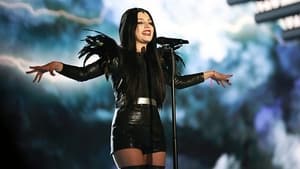
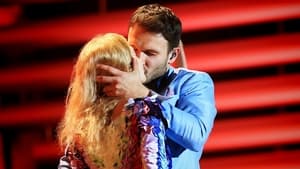
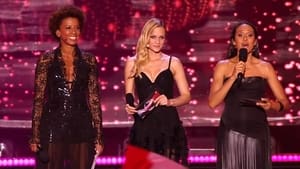
⏱ 239 minThe 60th Eurovision Song Contest was held in May 2015 in the capital of Austria, Vienna, the first time Austria hosted the event since 1967. The right to host the contest came when Conchita Wurst brought home the trophy with her Rise Like A Phoenix from Copenhagen the year before. In order to mark the 60th edition of the Eurovision Song Contest, Australia was invited to take part in the Grand Final for the very first time achieving a respectable 5th place. The winner was Måns Zermelöw with his song Heroes providing Sweden with its sixth victory in the Eurovision Song Contest. The 2015 Eurovision Song Contest took place in the Wiener Stadhalle. The the official Eurovision Song Contest logo was refreshed, for the first time since it was launched in 2004.
Stockholm 20163 episodes
1. Semi Final 1
⏱ 126 minNo description available.
2. Semi Final 2
⏱ 125 minNo description available.
3. Final
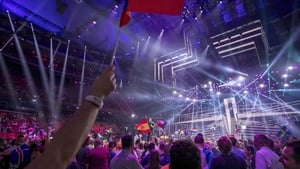
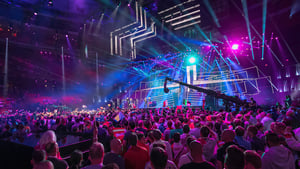
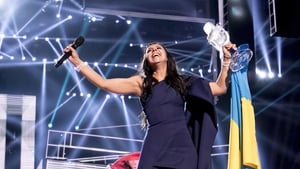
⏱ 227 minHeld in Stockholm's Globe Arena, the 2016 contest was hosted by Sweden following Måns Zelmerlöw's victory in 2015 with 'Heroes'. It was the city's third time hosting. The slogan was 'Come Together', with dandelion-themed artwork symbolizing resilience and regeneration. This year introduced the most significant voting change since 1975. For the first time, professional jury votes and public televotes were presented separately, doubling the number of points available and creating a more suspenseful finale. 26 countries competed in the Grand Final. Ukraine's Jamala won with her song '1944', achieving the country's second victory. Australia's Dami Im finished second with 'The Sound of Silence', followed by Russia's Sergey Lazarev in third with 'You Are The Only One'.
Kyiv 20173 episodes

1. 1st Semi Final
⏱ 134 minNo description available.

2. 2nd Semi Final
⏱ 135 minNo description available.

3. Final
⏱ 225 minThe 2017 Eurovision Song Contest took place in Ukraine’s capital, Kyiv. The right to host came after Jamala won the 2016 edition in Stockholm with her song '1944'. It was Kyiv's second time hosting the main contest, having previously done so in 2005. 42 countries competed, including Romania and Portugal, who returned to the competition after a year’s absence. The contest was a special one for Austria, Denmark, and the United Kingdom, which all celebrated the 60th anniversary of their first participation in 1957. Kyiv was announced as the host city after a competitive bid process against five other cities. The decision was made to stage the contest at the International Exhibition Centre, which had a capacity of up to 11,000 spectators.
Lisbon 20183 episodes
1. Semi-final 1
⏱ 133 minNo description available.
2. Semi-final 2
⏱ 134 minNo description available.
3. Final
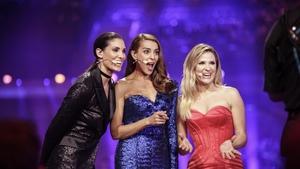
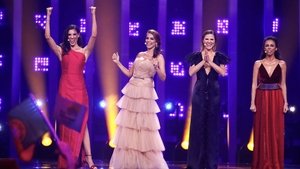
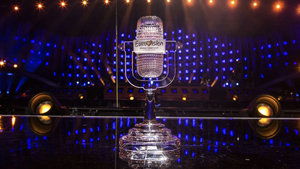
⏱ 229 minThe 2018 Eurovision Song Contest took place in Portugal's capital city, Lisbon. It was the first time Portugal hosted the competition. The right to host the 2018 Eurovision Song Contest came after Salvador Sobral won the 2017 edition in Kyiv with his song Amar Pelos Dois. Initially, 42 countries were announced to compete in the 2018 Eurovision Song Contest. Shortly after the announcement, F.Y.R. Macedonia was added to the list of participants, bringing the total number of acts to 43. Lisbon was announced as Host City in July 2017 following a competitive city bid process. The Lisbon Arena, located at the capital city's seashore, hosted the contest, which took place on Portuguese soil for the first time ever.
Tel Aviv 20193 episodes
1. Semi Final 1
⏱ 133 minNo description available.
2. Semi Final 2
⏱ 135 minNo description available.
3. Final
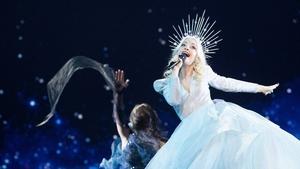
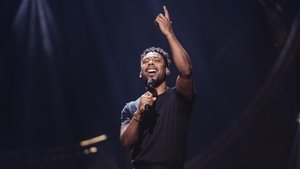
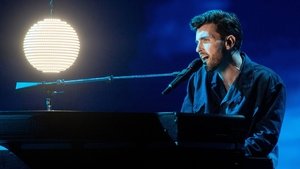
⏱ 251 minFollowing Netta's victory in Lisbon, the 64th Eurovision Song Contest in 2019 took place in Tel Aviv, Israel, at the Expo Tel Aviv. The contest consisted of three live shows: the first Semi-Final on Tuesday 14 May, the second Semi-Final on Thursday 16 May, and the Grand Final on Saturday 18 May. All three shows were hosted by Bar Refaeli, Erez Tal, Assi Azar, and Lucy Ayoub. The running order for each show was determined by the producers. The 'Big Five' countries and the host country, Israel, were also allocated a Semi-Final to vote in. Spain, France, and Israel voted in the first Semi-Final, while Germany, Italy, and the United Kingdom voted in the second.
Rotterdam 20213 episodes
1. Semi Final 1
⏱ 126 minNo description available.
2. Semi Final 2
⏱ 126 minNo description available.
3. Grand Final
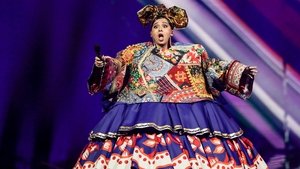
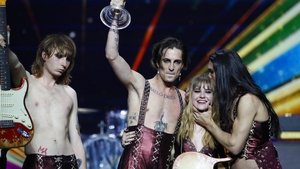
⏱ 236 minFollowing the cancellation of the 2020 contest due to the COVID-19 crisis, the Eurovision Song Contest returned in 2021, hosted in Rotterdam. Extensive preparations ensured the show went on with a limited audience and contingency plans, such as pre-recorded 'Live-on-Tape' performances for all artists. These measures were put to the test. Australia, unable to travel, was the only country to use its taped performance. Iceland's rehearsal footage was used for their live show appearances after a delegation member tested positive for COVID-19; the group still finished in 4th place. Italian alt-rock band Måneskin won with their song 'Zitti E Buoni', which became a global streaming hit. The contest's return was a huge success, attracting 183 million viewers and achieving massive online engagement, particularly with younger audiences. The slogan from the cancelled 2020 event, #OpenUp, was carried over.
Turin 20223 episodes
1. Semi Final 1
⏱ 142 minNo description available.
2. Semi Final 2
⏱ 142 minNo description available.
3. Grand Final
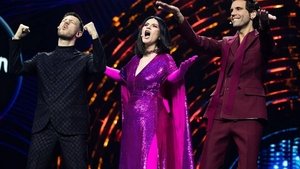
⏱ 257 minThe 66th Eurovision Song Contest was held in Turin, the third Italian city to host, following Måneskin's 2021 victory. Ukraine's Kalush Orchestra triumphed with their song 'Stefania', which became the first winning entry to feature a rap. The group received an overwhelming 439 points from the public televote, dominating the scoreboard. The United Kingdom's Sam Ryder won the jury vote and finished second overall with 'SPACE MAN', earning the UK its best result since 1998. Spain's Chanel also celebrated, taking third place with 'SloMo' for their best result since 1995. In June 2022, due to the ongoing war in the winning country, the EBU made the decision that Ukraine would not host the 2023 contest.
Liverpool 20233 episodes
1. Semi-Final 1
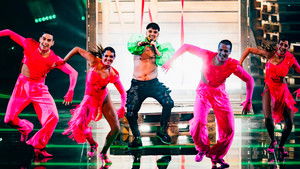
⏱ 132 minThe First Semi-Final opened with host Julia Sanina performing part of 'Маяк' by her band, The Hardkiss. The interval featured global superstar Rita Ora, who delivered a medley of some of her biggest hits and her then-new single, 'Praising You'. Ukrainian singer Alyosha, who represented Ukraine at the 2010 Eurovision Song Contest, performed alongside Liverpool's acclaimed singer-songwriter, Rebecca Ferguson. Alyosha, who was forced to leave her country as a refugee in 2022, shared her personal journey through a new, haunting arrangement of Duran Duran’s song, 'Ordinary World'.
2. Semi-Final 2
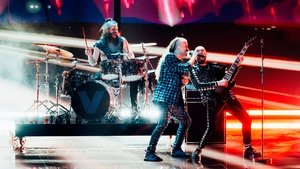
⏱ 132 minIn the Second Semi-Final, the theme “Music Unites Generations” explored the connection between Ukrainian generations and their music. Mariya Yaremchuk, who represented Ukraine in 2014, led a montage of some of the country's most well-known musical pieces. The performance travelled through time and ended with a collaborative performance from rapper OTOY, 14-year-old Junior Eurovision representative Zlata Dziunka, and Mariya, showing that music is the light that overcomes darkness. Another interval act, a performance called “Be Who You Wanna Be”, celebrated how Eurovision was a place for everyone. Three extraordinary drag performers led a high-energy pop routine with a troupe of dancers. They represented the huge spectrum of fans—regardless of age, nationality, or background—who revelled in being part of the contest. The medley of songs and incredible staging made it a performance to be remembered.

3. Final
⏱ 255 minThe 67th Eurovision Song Contest took place in Liverpool, where the BBC hosted on behalf of Ukraine under the slogan 'United By Music'. The event expressed solidarity with Ukraine, culminating in an emotional performance of 'You'll Never Walk Alone'. Sweden's Loreen became the first woman to win the contest twice with her song 'Tattoo'. In second place, Finland's Käärijä won the public vote with 'Cha Cha Cha', while Noa Kirel of Israel finished third. Hosted by a team including Alesha Dixon, Graham Norton, and Hannah Waddingham, the Grand Final opened with a performance from 2022 winners Kalush Orchestra. The flag parade featured iconic past Ukrainian contestants, and interval acts included the UK's Sam Ryder and 'The Liverpool Songbook'—a tribute featuring past Eurovision stars like Mahmood, Netta, and Duncan Laurence.
Malmö 20243 episodes
1. Semi-Final 1
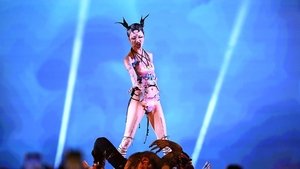
⏱ 143 minFifteen acts will perform at the first semi-final of Eurovision 2024 - but only 10 will qualify.
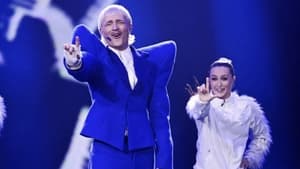
2. Semi-Final 2
⏱ 142 minThe audience will have the opportunity to participate in the world's biggest sing along, together with three iconic Eurovision queens – Helena Paparizou, Sertab Erener and Charlotte Perrelli.
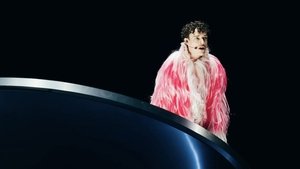
3. Final
⏱ 238 minThe 2024 Eurovision Song Contest was held in Malmö, Sweden, following Loreen's historic 2023 win. It marked the third time the city had hosted the event. 37 countries participated under the slogan "United By Music," which was adopted as the permanent slogan for all future contests. The show, hosted by Malin Åkerman and Petra Mede, featured a unique 360-degree, cross-shaped stage placed in the middle of the audience. A key change saw the pre-qualified 'Big 5' and host Sweden perform their songs in full during the Semi-Finals for the first time. After 25 nations competed in the Grand Final, Switzerland's Nemo was crowned the winner with the song "The Code," securing the country's third victory. Croatia finished second after winning the public televote, with Ukraine, France, and Israel completing the top five.
Basel 20253 episodes

1. Semi-Final 1
⏱ 148 minAn homage to the Eurovision Song Contest's birthplace, Switzerland.

2. Semi-Final 2
⏱ 150 minA big party for anyone who's ever enjoyed the Eurovision Song Contest.

3. Grand Final
⏱ 252 minThe 69th Eurovision Song Contest was held in Basel, Switzerland, at the St. Jakobshalle in May 2025. 37 countries competed, marked by the return of Montenegro. The shows were hosted by Hazel Brugger, Michelle Hunziker, and Sandra Studer. The event's motto was 'Welcome Home', celebrating Eurovision's return to its 1956 origins. Its brand identity, 'Unity Shapes Love', was inspired by Swiss dialogue and featured pulsating heart visuals. The stage design was influenced by Switzerland's mountains and diversity. Austria’s JJ won the contest with the song 'Wasted Love', earning 436 points and securing Austria's first victory since 2014. In second place was Israel's Yuval Raphael with 'New Day Will Rise' (357 points), while Estonia's Tommy Cash finished a close third with 'Espresso Macchiato' (356 points).