The Australian SAS: The Untold History (2015)
Explores the official history of the Australian SAS, a special forces unit of the Australian Army, from it's inception to current involvement in fighting Islamic State.
📺 Seasons & Episodes
Specials2 episodes

Season 14 episodes
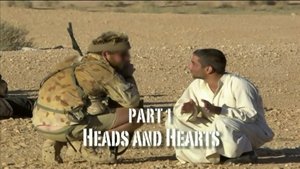
1. Part 1: Heads and Hearts
⏱ 27 minIntroduces the SASR and the world of Special Forces, selection, and the head and heart values which give rise to the term 'Special'. For decades the SASR was the pariah of the Australian Army.
2. Part 2: Arc of Instability
⏱ 27 minIndonesian aggression against Malaysia during Konfrontasi in 1965 leads to the first SAS action in Borneo. This is a tough, sharp test for the new SAS. But the Vietnam War eclipses Borneo.
3. Part 3: Phantoms of the Jungle
⏱ 27 minIn Vietnam, the SASR attacks the Viet Cong infrastructure, and plays the savage Viet Cong at their own game--terror and demoralising the jungle enemy. But after Tet, anti-war Western politics frustrate the SASR.
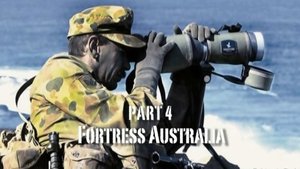
4. Part 4: Fortress Australia
⏱ 27 minAfter Vietnam the SAS has few friends in high places, and within the 'Fortress Australia' defence policy, extinction looms. But it wins a reprieve by introducing unconventional warfare training and long-range patrolling of Australia's vast northern coastline.
Season 23 episodes
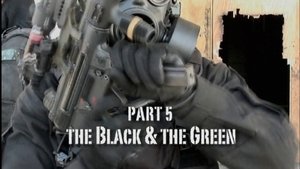
1. Part 5: The Black and the Green
⏱ 64 minWhen global terrorism mushrooms, Australia turns to the SASR "Black" role of Counter-terrorism (CT). This gives the regiment a future. But the "Green War" roles of free falling, driving and motorised patrols are preserved and perfected.
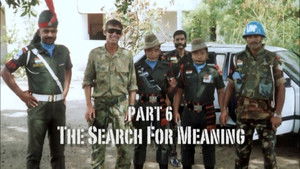
2. Part 6: The Search for Meaning
⏱ 57 minAs the novelty of CT wears off, SASR finds other outlets for its talents--training foreign forces in the Philippines, and conducting small peace-keeping operations in Somalia, Rwanda, Bougainville, Cambodia and the Solomons.
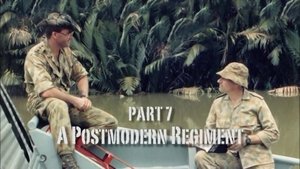
3. Part 7: The Postmodern Regiment
⏱ 53 minAfter the collapse of the USSR, the Regiment faces a challenge from within--it has lost much of its vital unconventionality. But as it rallies to become truly flexible and postmodern, disaster intervenes when two CT Black Hawk helicopters collide and crash in flames.
Season 34 episodes
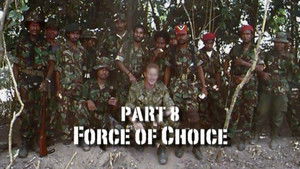
1. Part 8: The Force of Choice
⏱ 60 minAfter three decades of peace, SASR plunges into 25 years of continuous action. Its versatility is challenged in delicate operations in 1999 in East Timor and the controversial boarding of the refugee ship Tampa.
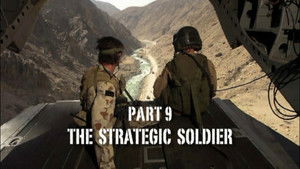
2. Part 9: The Strategic Soldier
⏱ 60 minAfter 9/11 SASR joins the American-led Coalition invading Afghanistan in search of Osama Bin Laden, and aiming to defeat his terrorist support. In the shooting war in Afghanistan, SASR faces its toughest enemy ever in Al Qaeda and the Taliban.
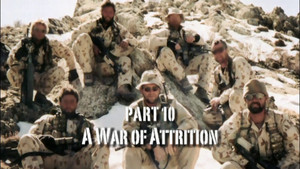
3. Part 10: A War of Attrition
⏱ 60 minThe effectiveness of small SASR teams is dramatically demonstrated in as assault on Bin Laden's forces in the formidable Shah-i-Kot valley. The regiment wins a coveted US Unit Citation for Operation Anaconda , a fierce 12-day attrition battle in which SASR patrols avert a certain defeat of the Coalition forces.
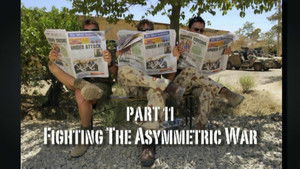
4. Part 11: Fighting the Asymmetric War
⏱ 75 minIn 2001 and 2003 SASR captures illegal shipping on the high seas. In 2003 it spearheads the invasion of IRAQ before returning in 2006 to asymmetric warfare in Afghanistan. The series concludes with reflections on SAS veterans' long-term health, the global threat to food security, the possible tasking of SASR against narcotics and its deployment across the entire strategic spectrum of an increasingly troubled, complex world.