
Pointer (2019)
Pointer is the platform for research journalism of Kro-NCRV on TV, radio and online. We keep your sharp and address the issues of now. We do this with the latest methods and the most experienced journalists, and we are always transparent about our approach.
📺 Seasons & Episodes
Specials4 episodes
1. The influence of trolls at the election campaign
⏱ 35 minNo description available.
2. Vaccinations
⏱ 35 minSocial media wanted stories about vaccinations against the corona virus. This misinformation causes a lot of unrest among parents. What influence does that have on the fight against virus? Pointer conducts research into the messages that are distributed via social media, who spread those messages and what their motives are. How large is the impact of these messages in the coronacrisis? Which concerns live among people about vaccinations and are being supplied by misinformation?
4. Episode 4
⏱ 20 minNo description available.
5. Episode 5
⏱ 48 minNo description available.
Pointer 20195 episodes
1. This police logger violates the privacy of suspects
⏱ 13 minPolice logger Jan-Willem goes into the mistake ... again. Despite the instructions for the use of social media by police, there are still people traceable in videos of the Vlogger. And with that he lays private data from citizens on the street. Pointer investigated the traceability of people in videos of police logger Jan-Willem and it shows that the popular agent rebreeds several privacy rules. That is remarkable, because following earlier research, the police proposed guidelines for improving social media posters. Now it appears that after the tightening of the rules in certain 22 cases that are traceable to a person are visible and audible in videos of Jan-Willem. Social media is indispensable in the police. You see it at all arguing: a detection message via a Twitter or Facebook message.
2. Care cowboys Part I. For example, 97 major healthcare companies come to very high profit
⏱ 32 minIn collaboration with Reporter Radio and Follow the Money, Pointer reveals that there are several healthcare institutions in the Netherlands that achieve extreme profits. The accounts look suspicious. How is it possible that these businesses earn so much money? Many of those companies are in home care. Is the care that these companies must deliver sufficient or is there the back of people who needed home care earned money?
3. Care cowboys Part II. The directors of these care companies are rich in care money
⏱ 36 minIn June 2019, DataLatform Pointer revealed in collaboration with research site Follow the Money and Reporter Radio that there are care institutions that get extreme profits. After an analysis of the annual figures for 2017, it turned out that 97 large healthcare companies were jointly made for more than fifty million euros in profit. That amounts to more than twenty percent of turnover, while at most three percent are common within mental health care, care for the disabled and home care. These profits may have been unlawfully achieved. The annual accounts of these institutions are rarely checked, allowing shareholders to pay for millions of Euros to care money. These 'care cowboys' would perhaps even ride out huge profits at the expense of supplying care to people who need. In the second broadcast on mega ministers in healthcare, the DataTeam of Pointer once again examines the annual accounts of these types of companies.
4. How a mysterious e-mail leads to online scammers in the Philippines
⏱ 16 minBehind a simple e-mail in the inbox of Pointer appears to be a network of lighting sites, mailbox companies and more than a hundred victims around the world. Via a wirwar to NEP accounts, the track is followed that leads to two Danish cheaters, which abuse people from people.
5. Care cowboys Part III. Municipalities hardly have any view of spending care money
⏱ 16 minAlmost a hundred care companies make structurally high profit in the healthcare sector. The DataTeam of Pointer, together with Reporter Radio and Follow the Money, examines why municipalities pay for tens of millions of euros in care money to these companies within the framework of the Social Support Act. Why do municipalities do not seize as soon as it becomes clear that this money is not spent on good care? Municipalities must ensure that the money intended for elderly and disabled care is used properly. Why do municipalities do business with companies that use the money for other things? And is it maintained?
Pointer 20209 episodes
1. With hundreds of security cameras you can watch unnoticed
⏱ 17 minNo description available.
2. These climate sections sow doubt with the help of the oil industry
⏱ 21 minThe Clintel Notice Foundation on climate change and climate policy and is regularly cited in debates that go among other things about climate change. For example, reports and articles from Clintel are quoted by Thierry Baudet of Democracy Forum, especially when it comes to how urgently the climate debate is actually. For Clintel, the need is less high than many climate activists claim. Clintel is particularly critical of reporting about the global warming. The foundation is not yet a year yet, but is now one of the largest clubs of climate skepticists. Who is behind Clintel? How can they be on the rise so quickly? And is it true what they say about the state of the climate? Who is behind the lobby of climate seplect?
3. Why there's so much fake news about the coronavirus on social media
⏱ 19 minThe global outbreak of the coronavirus ensures that our daily news consumption almost only exists with news about COVID-19. Not only through established media we are kept informed, also via social media, reports about the virus are sent and forwarded. And the question is how reliable those messages are. Nowadays, Fake News is hard to distinguish from real news. Pointer went looking for fake news and shows how you can really distinguish from NEP on the basis of journalistic and forensic treasure methods. For example, images on social media that was suggested that people commit suicide because of the virus. These shocking images were bleached. Why are these messages sent? It provides more unrest and fear. Who is behind spreading fake news? Why do they do that? And what can fake news bring about?
4. Death at the border
⏱ 17 minThe Turkish President Erdogan suddenly throws open the border with Greece at the end of February. The pressure on Turkey, which would absorb the migrant current, is too large. Support from the EU remains, and therefore Erdogan throws open borders to let the EU experience the pressure. He sets buses to bring migrants to pazarkule, the border crossing between the Turkish Edirne and the Greek chestnuts. With skirmishes on the border between Greece and Turkey, it is getting out of hand. People are injured and there is also a dead person: the Pakistani refugee Mohammed Gulzar. He was hit and died on the spot. Turkey and Greece accuse each other over and over again, deny all allegations and manufacture fake news to make the other black. Greece denies that injuries have fallen and all that someone has been killed, and even puts into embassies to stop every news about the incidents.
5. The 'disappeared' Jewish houses
⏱ 18 minA group of Dutch, shady real estate dealers, real estate agents and entrepreneurs earns considerably during the Second World War to trade in Jewish real estate. Millions were involved with the purchase and sale of real estate of led jews. The real estate was - often for amounts that were far below the applicable market prices - purchased from the German occupier that the houses had expropriated. The transactions were kept by the German occupiers in the so-called Verkaufsbücher. Almost all books have been preserved. They contain the addresses and the names of the original owners, the brokers involved and the war copies, plus selling prices. And so a penetrating image of a criminal real estate circuit creates that gold earned money from expropriated, Jewish real estate. Were municipalities informed? Are they aware of the transactions? And how is the relatives? Are they compensated for expropriating the houses of their family?
6. American lobby in the Netherlands
⏱ 11 minThe Transatlantic Christian Council is one of the most influential American lobby clubs. They stand for a conservative Christian ideas: against abortion, against same-sex marriage and for Christian education. In the Netherlands, the battle of Trump may seem like a far-away-bed show for many, but right here has an active co-founded. Henk Jan van Schothorst - Former lobbyist of the SGP - With support from controversial American think tanks, Gouda cheese traders and American ambassador Pete Hoekstra part of this international lobby organization, which aims to stop laws and regulations that the rights related to LGBT people , abortion, euthanasia and equal rights for women. How far does the influence of this lobby club and what role does the American ambassador play in the Netherlands? Pointer dived in the network of this lobby club.
7. Data: Gold mine for politics
⏱ 11 minIn the US and also in the Netherlands the elections are at the door. The battle for the voter is loose. And the key to the election victory? Your personal information. Data Driven Campaigning is the most modern way to win the voter's voice. With data techniques, presidential candidates and political parties try to find out as much as possible about you. That way they know how they can best reach you and how they can best take their message to you. Your voice as a voter and your dates are worth gold. But how are those private data collected and is that not very privacy sensitive? How is it deployed in campaigning? How are your own data used to influence your voting behavior?
8. The hunt for online trolls
⏱ 11 minThe American elections are a good reason for Twitter trolls to stir on social media. Trolls spread online misinformation to polarize and disrupted. Dutch trolls also mix and try to influence the American elections. What purpose do they do this with? And who are behind these troll accounts? Pointer dives into the world of the Online Trolls and looking for who these are trolls and what their motives are.
9. The hidden network of conspiracy cherry
⏱ 16 min"Doctors are emergency clock about corona measures," heads the AD at the beginning of July. "So continue damage," the newspaper quotes the doctors. A few days before the news item appears, a group of Medici has put a fire letter online in which they state that there is no evidence for the usefulness of the continuing halevers rule and calls to revoke politicians against the Corona Act. Internist Evelien Peeters and Infectiologist Hannah Visser are designated as the initiators. 'The reason for drawing up this letter is that in recent weeks we noticed that it is difficult to question the policy as a doctor in publicity. If you do that, you quickly get away as a conspiracy. That is certainly not the case, "they say. The two just want an open debate, they indicate. Pointer dived in the network of the letter writers. This shows that behind the action of apparently two concerned doctors arranged a coordinated campaign that is carried out worldwide.
Pointer 202137 episodes
1. Schulden in tijden van corona
⏱ 27 minNo description available.
2. Floriade 2022: Duurzame droom of financiële nachtmerrie?
⏱ 26 minNo description available.
3. Ziek door je werk
⏱ 26 minNo description available.
4. WhatsAppfraude
⏱ 26 minNo description available.
5. Plasticplaag: plastic afval over zee sturen is big business
⏱ 26 minNo description available.
6. Plastic puin in de natuur
⏱ 25 minNo description available.
7. Gemeentelijke herindeling
⏱ 25 minNo description available.
8. Verkeersveiligheid
⏱ 26 minNo description available.
9. De winst van kleine zorgaanbieders
⏱ 26 minNo description available.
10. Corona als beroepsziekte
⏱ 26 minNo description available.
11. Vrouwenquotum
⏱ 26 minNo description available.
12. Helpt de leefstijlcoach ons van de coronakilo's af?
⏱ 26 minNo description available.
13. Jong en psychisch in de knel
⏱ 25 minNo description available.
14. Klimaatconflict in de polder
⏱ 27 minNo description available.
15. Verkeerd gediagnosticeerd
⏱ 25 minNo description available.
16. Een hopeloze huizenjacht
⏱ 26 minNo description available.
17. Arbeidsmigranten
⏱ 26 minNo description available.
18. Langdurig geveld door corona
⏱ 25 minNo description available.
19. De kledingafvalberg
⏱ 26 minNo description available.
20. In de greep van anorexia
⏱ 26 minNo description available.
21. Windmolens: kans of nachtmerrie?
⏱ 26 minNo description available.
22. Hokjesdenken in de psychiatrie
⏱ 25 minNo description available.
23. Help! Ik zoek een huurwoning
⏱ 26 minNo description available.
24. De strijd om het groenafval
⏱ 25 minNo description available.
25. Jeugdzorg
⏱ 26 minNo description available.
26. Ophef over afschieten damherten
⏱ 26 minNo description available.
27. Exotische woekerplanten
⏱ 26 minNo description available.
28. Wateroverlast
⏱ 25 minNo description available.
29. Sekswerk
⏱ 26 minNo description available.
30. De vis wordt duur betaald.
⏱ 26 minNo description available.
31. Online shaming
⏱ 26 minNo description available.
32. Geen geld voor gas
⏱ 26 minNo description available.
33. Kink in de tabel
⏱ 26 minNo description available.
34. De seizoenscamping verdwijnt
⏱ 25 minNo description available.
35. Beperkt toegang voor gehandicapten
⏱ 26 minNo description available.
36. Vet verleid
⏱ 26 minNo description available.
37. Leven in luilekkerland
⏱ 26 minNo description available.
Pointer 202241 episodes
1. Lessen in online shaming
⏱ 25 minNo description available.
2. Klimaatconflict in de stad
⏱ 25 minNo description available.
3. Vrouwengenees(on)kunde
⏱ 25 minNo description available.
4. Spookdorpen vol vakantiewoningen
⏱ 26 minNo description available.
5. Vechten voor de veiligheid van je huis
⏱ 26 minNo description available.
6. De bittere smaak van zoete dranken
⏱ 26 minNo description available.
7. Episode 7
⏱ —No description available.
8. Episode 8
⏱ —No description available.
9. Episode 9
⏱ —No description available.
10. Episode 10
⏱ —No description available.
11. Episode 11
⏱ —No description available.
12. No starter homes in villages
⏱ —No description available.
13. Episode 13
⏱ —No description available.
14. Dementia care under pressure
⏱ 25 minNo description available.
15. How Human is our immigrant policy
⏱ 25 minNo description available.
16. Can the 'boxing' of the Netherlands be stopped?
⏱ —No description available.
17. Can the use of calming medication be lowered in care homes?
⏱ —No description available.
18. Episode 18
⏱ —No description available.
19. Problems in student transport
⏱ 26 minNo description available.
20. Episode 20
⏱ 26 minNo description available.
21. Episode 21
⏱ 15 minNo description available.
22. Episode 22
⏱ 26 minNo description available.
23. Episode 23
⏱ 25 minNo description available.
24. Episode 24
⏱ 26 minNo description available.
25. Episode 25
⏱ 25 minNo description available.
26. Extra: misled by seduction
⏱ 15 minNo description available.
27. Childcare in need
⏱ 25 minNo description available.
28. Too little place for people with dementia
⏱ 26 minNo description available.
29. Canal drama: what if your house sinks and the government denies culpability?
⏱ 26 minNo description available.
30. Who protects nature?
⏱ 26 minNo description available.
31. Episode 31
⏱ 15 minNo description available.
32. Episode 32
⏱ 25 minNo description available.
33. Episode 33
⏱ 26 minNo description available.
34. Episode 34
⏱ 26 minNo description available.
35. Episode 35
⏱ 26 minNo description available.
36. Episode 36
⏱ 15 minNo description available.
37. Episode 37
⏱ 26 minNo description available.
38. Episode 38
⏱ 26 minNo description available.
39. Episode 39
⏱ 16 minNo description available.
40. Episode 40
⏱ 26 minNo description available.
41. Episode 41
⏱ 15 minNo description available.
Pointer 202346 episodes
1. De aanpak van laaggeletterdheid
⏱ 26 minIn the Netherlands, 2.5 million people have difficulty with reading, writing and/or arithmetic, which prevents them from fully participating in society. In Heerlen, South Limburg, where a relatively large number of low-literate people live, we come across many separate initiatives to tackle language disadvantages: from projects in the playgroup to extra reading lessons in education and language courses for adults. Yet a more structural solution to this problem seems to be lacking. What is needed to ensure that future generations grow up without language disadvantages?
2. Student zoekt kamer
⏱ 26 minHomes with vermin and mold, sleeping in a tent on a campsite or spending hours on the train to attend a lecture. Students accept a lot because there is a major shortage of student housing. Dutch universities have grown enormously in recent years. Almost every course can be followed in English and the doors are wide open to students from all over the world. Student numbers are expected to continue to grow in the coming years. But who is responsible for a decent student room?
3. Honger in de klas
⏱ 26 minLast fall, a shock went through the Netherlands when it turned out that children in our rich country were going to school without food. There was great outrage, volunteers started making sandwiches and The Hague released millions to feed children at school. What's behind this? How big is the problem of poverty and bad food among children? And what do schools think about the fact that they now have it on their plate?

4. De geestelijke gezondheidszorg moet op de schop
⏱ 26 minAnyone waiting for help with psychological suffering must have a lot of patience. There are currently 85,000 people on a mental health waiting list. In the meantime, the need for psychological help is only increasing. One in five Dutch people will experience mental difficulties at some point. Once it is your turn, you must receive a label, otherwise the care will not be reimbursed. And this compartmentalized thinking is meeting with increasing resistance. So the problem is all over the place and there are no easy solutions. There are more and more calls for a drastic overhaul of mental health care.

5. Pointer Special: Listig maar legaal
⏱ 17 minThere are countless jubilant stories about the Healy on Facebook and YouTube. A small device that you can clip to your sweater or shirt and is said to promote your health through frequency therapy. You can treat any complaint with it: from sleep disorders and pain to depression and anxiety. And not only that, it can also make you rich, the sellers promise. But behind all the promises there appears to be a shadowy world hidden. A network of traffickers that takes advantage of thousands of vulnerable people.

6. Heeft het broodtrommeltje zijn langste tijd gehad?
⏱ 26 minMillions are released for emergency aid because children are hungry in class. This is a temporary solution to a problem that has been going on for years. Hunger and bad food hinder equal opportunities. Teachers Jean-Paul and Susanne have therefore started organizing a healthy school lunch. But in practice that is not easy. How do other countries in Europe do this? And what is the vision of this cabinet?
7. Worden de onveilige huizen in Groningen nu wél versterkt?
⏱ 26 minLast year, the parliamentary committee of inquiry investigated how the people of Groningen could have ended up in earthquake misery. One thing is clear: the safety of Groningen residents has been ignored for years. But what about now? Thousands of residents are still waiting for their homes to be reinforced. But are unsafe houses being tackled urgently?

8. Vervoersarmoede: minder bussen, minder kansen
⏱ 26 minBus transport is under pressure, especially in rural areas. Almost empty buses are not profitable for the carrier, but the quality of life does depend on it. Because what if, as a student, you can no longer come home after a lecture? Some villages are no longer accessible by public transport in the evenings and on weekends, while a bus runs every five minutes in the city. This creates inequality of opportunity, experts say. Is it time for a lower limit? Does every village have the right to a bus line?

9. Waarom slapen we zo slecht?
⏱ 26 minIn the Netherlands, 1.3 million people sometimes or regularly work at night. Wonderfully quiet, some say. But that will cost you your night's sleep. Because those who work at night are more likely to have sleep problems. The Health Council concluded in 2017 that night work is unhealthy and should be limited as much as possible. But will that work? And are companies doing enough to prevent complaints due to night work? Pointer delves into the world of the insomniacs. We set off in the middle of the night with truck driver Dion and visit former colleague Chiel, who said goodbye that night after years of loyal service due to chronic lack of sleep.

10. Extra: Jaagt de provincie ons de auto in?
⏱ 15 minTo achieve the climate goals, diesel buses in regional transport are being replaced by green buses. At the same time, large parts of the Netherlands are becoming increasingly less accessible by public transport. In those places a car is essential to be mobile. What is the point of green buses if at the same time more and more people take the car? After all, it is rarely electric. How do we make public transport a fully-fledged alternative to the car again?
11. Wie stopt de bouwstop?
⏱ 25 minThe housing shortage is great and house prices are still high. And yet we are not building new houses at a high pace. The opposite happens: investors put their new construction plans on hold because it is now more convenient to wait a while. This is happening all over the country. The houses that are so desperately needed - affordable rental housing for teachers and healthcare staff - are particularly affected. How is it possible that it is better for companies not to build than to build? And how is the government going to solve this? The government wants to add almost one million houses by 2030. Is the housing shortage getting even worse?

12. Jaren te veel huur betalen door fout energielabel
⏱ 26 minWe are in the city of Groningen, where some tenants have been paying too much for years because the energy label on their home is incorrect. Who is responsible for the incorrect energy labels on hundreds of homes? Is there intent at play? And why is it so difficult for (former) tenants to get their money back, even if it is clear that something is wrong? We go to the city looking for answers.

13. Jeugdcriminaliteit verhardt en verjongt. Valt het tij nog te keren?
⏱ 26 minYoung people are ending up behind bars at an increasingly young age and the crimes for which they are imprisoned are becoming more serious. A criminal career sometimes moves very quickly, from distributing drugs to committing a murder for hire. The impact of these crimes is enormous for victims, surviving relatives and society. The government makes millions available, but only a few municipalities benefit from this. Pointer investigates the approach to youth crime. How effective is that? Does the tough approach to punishment and repression work, or should we help young people with their problems?

14. Jonge kinderen zitten in de stress over toetsen. Waar komt die druk vandaan?
⏱ 25 minThe final test is coming again for group 8. That means pale faces, short fuses and stomach aches, teachers say. But it's not just the final test that causes stress. Teachers also see stressed children around the tests in groups 5, 6 and 7. These tests are included in the school advice for secondary education. To influence this, children train outside of school. Parents buy tests via the internet or send their offspring to test training. Why do we attach so much importance to those tests? Doesn't our testing culture create unequal opportunities? And can it be done differently?
15. Kunnen we vrouwenmoord voorkomen?
⏱ 16 minThe 'red flags' for intimate partner murder have been known for decades. For example, you are seven times more likely to die if your partner has strangled you before. Yet the Netherlands is often unable to provide help in time, despite all kinds of risk assessments and local initiatives. More than half of female victims are still killed by their partner or ex, with all the attendant signs. Isn't murder a priority if it happens behind the front door?
16. De vogelgriep: wíe ruimt de dode wilde vogels op?
⏱ 26 minAnimal ambulances fear a bird flu pandemic. They already clean up dozens of infected dead wild birds every day, often at their own expense. But what if the virus continues to spread? Nearly six million chickens have already been culled and more and more mammals are becoming infected with the virus. Experts warn: bird flu could become a danger to public health. But who is responsible for all those wild birds with bird flu? And who will pay for the costs?

17. Wonen op een vakantiepark
⏱ 26 minMaaike lives with her family - against the rules of the municipality - at a holiday park. The municipality has started to enforce strict regulations in recent years and therefore sealed their house last year. With all its consequences. The family wanders from temporary home to temporary home and the children's school results plummet. How justified is this strict enforcement? And how do municipalities even deal with the dilemmas surrounding permanent occupancy of holiday parks? Should places for recreation be protected or is converting holiday homes into residential areas the solution to the housing crisis?
18. Gehandicaptenzorg: waar moeten mensen met ernstige handicaps wonen?
⏱ 26 minWhile 24-hour care becomes increasingly demanding, many parents choose to keep their child with severe multiple disabilities at home. Parents find the care in regular institutions substandard and often find themselves on long waiting lists. Researchers, healthcare professionals and administrators recognize the problems, but cannot arrive at a clear solution.
19. Waar gaan we bouwen?
⏱ 25 minWe need houses and developers like to build them in meadows. There is a beautiful polder ready for you near Alphen aan de Rijn. But is this Gnephoek the best place for 10,000 new houses, in a deep polder with weak soil? The province and water boards warn: if you build here, society will incur high costs in the future. But the municipality and the government are persevering and want the houses to be built. What interests do they have in going against the advice? In addition to the housing shortage, land purchases appear to be one of the arguments.

20. Extra: De Vergeten Graven
⏱ 16 minAfter the Second World War, many synagogues and Jewish cemeteries were lost. Since 2020, Pointer has been conducting research into expropriated and resold Jewish real estate during the war and came across twenty transactions involving Jewish religious heritage. These buildings and cemeteries are rarely visible in the current street scene: synagogues have been demolished and cemeteries covered with asphalt. In some villages and towns, centuries of Jewish history are therefore barely visible. What role have municipalities played in this?
21. File op het stroomnet
⏱ 26 minWe are working hard on sustainability in the Netherlands. That is why we use more and more electricity and generate more electricity. But our current electricity grid cannot handle that. In many places in the country the grid is full and companies, schools or even entire residential areas cannot get (an extension of a) connection to the grid. To solve this we need to strengthen the power grid, but that won't happen overnight. And so we are also working on a lot of innovative solutions, such as more local sharing and more flexible use of electricity. The solutions now often fail due to regulations. How could that be otherwise?

22. Zorgen om dementiezorgwoningen
⏱ 26 minThe number of people requiring intensive care due to dementia will increase in the coming years, but no additional places may be added in nursing homes. Housing associations and healthcare institutions are concerned, because the realization of 40,000 'nursing care places' for people with dementia is also behind schedule. Where can people with dementia live? And why does it take so long to build homes when we have been facing this problem for years?
23. Jonge gedetineerden gaan vaak opnieuw de fout in
⏱ 26 minThe main purpose of a prison sentence for minors is resocialization. When young people are outside again, they must have received sufficient support not to make the same mistake again. Yet the recidivism rates remain high. More than half of young people who have served a prison sentence commit another crime and are back in juvenile detention within two years. Pointer investigates why this figure remains so high. Is it simply a group that cannot be saved? Or are we asking the impossible of young people who are struggling with complex problems?
24. Hoe zorgen we ervoor dat jonge ex-gedetineerden niet opnieuw de fout ingaan?
⏱ 26 minThe main purpose of a prison sentence for minors is resocialization. When young people are outside again, they must have received sufficient support not to make the same mistake again. Yet the recidivism rates remain high. More than half of young people who have served a prison sentence commit another crime and are back in juvenile detention within two years. Pointer investigates why this figure remains so high. Is it simply a group that cannot be saved? Or are we asking the impossible of young people who are struggling with complex problems?
25. Geld of klimaat? Dit dorp worstelt met die vraag
⏱ 26 minWho says Schoonebeek, says oil extraction. However, the Drenthe village no longer appears to be as unanimous about this industry as it used to be. There are plans to inject wastewater from extraction into the ground, but not everyone is happy with that. NAM and the ministry want to make agreements, but what are they really worth? And what happens in a small community when a section turns against an old acquaintance?
26. Met welke omstreden projecten compenseren gemeenten hun aardgasverbruik?
⏱ 18 minGreenhouse gas emissions must be drastically reduced if we are to achieve the climate goals. But what if it is much easier and cheaper not to reduce your emissions but to offset them? Pointer delves into dubious projects with which municipalities 'compensate' for their natural gas consumption, such as a Turkish wind farm, Indian hydroelectric power station and a coal-fired Chinese steel factory. Experts see many problems in this market. The CO2 certificates are far too cheap, human rights are being violated and there are too many perverse incentives in an unregulated market.
27. Slachtoffers uitbuiting en seksueel geweld in de kou
⏱ 19 minWomen who are victims of domestic violence, sexual exploitation or sexual violence are hardly seen by the police and social services, such as Veilig Thuis. De Balie Live Journalism investigated where they end up and what help they can count on.
28. Helpt onze toetscultuur het leesplezier om zeep?
⏱ 26 minDutch children do not like to read. In terms of reading pleasure, our ten-year-olds are somewhere at the bottom of the international rankings and their reading skills are now below the Western average. What is different in the Netherlands than in other countries? Teacher Henny and school leader Eva tip us off that our testing culture could be to blame. Schools and students are judged on their test results, so that is often what language education focuses on. How does this work? What do children actually learn during reading comprehension lessons? And are there also schools where children do enjoy reading and writing?

29. Extra: Boeren met tovervloeren
⏱ 17 minThousands of farmers have invested in expensive sustainable stable floors in recent years and have thus been able to increase their livestock. The 'magic floors' are said to significantly reduce nitrogen emissions, but new research shows that they do virtually nothing. Companies now sometimes emit more than before. According to the ministry, the new insights have no consequences for farmers. But is this correct? Nature clubs are considering new enforcement requests and turning permits upside down. In the search for this nervous future, Pointer encounters an overestimated belief in innovation, mismanagement and ghost permits. How did we get into this?
30. Wie controleert de natuurcontrole?
⏱ 26 minCitizens are shocked when the municipality of Westerveld creates a cycle path through the middle of a nature reserve. This construction is allowed because a natural test states that there will be no damage. But this key appears to rattle and that happens more often, Pointer discovers. While these types of nature tests determine whether housing construction, festivals or even the insulation of your house can continue. Who makes those tests? Who pays for it? And what if the content is incorrect? Pointer delves into the world of testers and discovers striking things. For example, you can already make a report after a course of a few days and resistance is sometimes very difficult.

31. Wat gebeurt er achter de coulissen van de klassieke muziek?
⏱ 26 minFor many people, classical music has the image of decent, neat and perhaps a bit boring. Masterpieces are played by the best orchestras in centuries-old concert halls. From an early age, musicians put everything aside for music. The concert stage is the highest goal and an orchestral track is in demand. The competition is fierce: the Netherlands has nine symphonic orchestras and just as many conservatories. How safe is that sector for (young) musicians? How do orchestras and conservatories fulfill their responsibility in this area? Pointer conducted research into sexual misconduct and spoke to dozens of musicians from the Netherlands and abroad.

32. Bewoners ongerust over uitdijende vakantieparken
⏱ 26 minWe like to go on holiday in our own country or a weekend away to the forest, the heath or the sea. Holiday homes are extremely popular. Holiday parks are continuing to expand in Zeeland, but a group of local residents have now had enough and are afraid that the peace and space that tourists come for will disappear due to the expansion of holiday parks. Have the limits of tourism growth been reached?
33. Wie draait erop voor de schade na dijkwerkzaamheden?
⏱ 26 minBy 2050, 1,500 kilometers of dikes must be reinforced in the Netherlands. Our country is vulnerable now that sea levels are rising and the risk of extreme weather is increasing. But what if things go wrong during the work? When houses crack, they subside and some homes even threaten to become uninhabitable, such as the South Holland Lekdijk. Residents have been waiting for compensation for years. What lessons can be learned? An urgent question in view of the major dike reinforcement task that is yet to come.
34. Extra: De autonome droom
⏱ 17 minAutonomous or sovereign citizens believe that Dutch laws and regulations do not apply to them and that the government should not exercise power over them. This means that they pay less or even no tax, with all the consequences that entails. Pointer investigates the autonomous dream, analyzes conversations in chat groups and speaks to autonomous people themselves. One of them offers paid courses to become autonomous, another ended up in a financial nightmare. How can people declare themselves autonomous and what are the consequences?
35. Verslaafd op doktersrecept
⏱ 26 minOver the past twenty years, the number of users of opioids, heavy painkillers, has increased enormously in the Netherlands. Warned by the opioid epidemic in the United States, a task force was established in our country in 2019 to halt the growth in the number of users. In the meantime, the task force has stopped, while the number of people who have received opioids increased again in 2022. Was the task group's task complete?
36. Mantelzorg: wie betaalt de rekening?
⏱ 26 minCombining informal care and work: it is a tough and sometimes almost impossible combination. Many informal caregivers therefore work less or report sick, research shows. The calculations are that 18 percent of absenteeism due to illness is related to informal care. It is therefore extra important for employers to ensure that their informal caregiver employees remain standing. But are employers ready for that? Are the care leave arrangements adequate? Who will ultimately pay for the aging society, in which we increasingly have to take care of each other?
37. Talent gemist op school
⏱ 26 minWe have a major shortage of professionals, especially in construction and healthcare. Yet children are not encouraged to learn a practical trade. It is rather the other way around: schools and parents push children to HAVO or VWO as much as possible. Even if children have other talents, working with their hands makes them happier and even now that you can earn more with practical professions. Why is that? And how do we change it? The cabinet also wants to change course in education, but Pointer encounters a problem: legislation.

38. Hoe veilig is het op het conservatorium?
⏱ 26 minFor many people, classical music has the image of being reasonable, neat and perhaps even a bit boring. Pieces are sometimes hundreds of years old and great efforts are made to preserve their beauty. And that is sometimes difficult. After a first episode in September, (former) students from conservatories joined Pointer. They talk about the culture at classical music courses, where the teacher is king and is less present one-on-one and behind closed doors. How can and should someone be so determined for a career? Who knows and what if your teacher has gone too far?

39. Pointer factcheckt de verkiezingen
⏱ 16 minThe campaign for the House of Representatives elections is in full swing and the battle for the voters' favor is flying back and forth. There are a lot of one-liners in election programmes, debates and TV appearances, but are they actually correct? Pointer separates facts from misinformation. This reveals the biggest myths about migration, which are replaced again and again by parties. Nuclear energy, another divisive issue, is unavoidable according to some and unnecessary according to others. Both cannot be true. What about climate subsidies in relation to social security? Is it true that all the money goes to the Tesla owner?
40. Kinderen op e-bikes: superleuk of slecht idee?
⏱ 35 minThe e-bike is hip. It has become an indispensable part of the cycle path and, especially since the arrival of the fat bike, more and more young children are cycling on it. Is that wise? Can children's brains handle the speed of an e-bike? Pointer takes children and fat bikes onto the cycle path and tests the consequences of the e-bike for the safety and health of young people. Should we protect young people against the risks that the technological progress of cycling entails or should we teach them to deal with it?

41. Schulden vroeger in beeld
⏱ 26 minOne in five Dutch households faces financial problems. To reduce that number and prevent people from getting into trouble due to electronic debts, municipalities have had to contact their residents since 2021 with payment arrears on rent, energy, water and health insurance. But are those signals coming in properly? Do words work effectively? And are young people sufficiently exposed to beginning comprehension?

42. Arbeidsmigrant als wegwerpproduct?
⏱ 26 minMigrant workers die due to illness and lose work and often find themselves in a pinch. They do not know their way around the Dutch healthcare system and are hardly helped by employment agencies. For example, many sick employees lose their work and temporary housing and sometimes do not receive benefits. Pointer reconstructs where things went wrong and lets migrants who feel dumped have their say. This year, the judge determined that a temporary worker may no longer be automatically employed in the event of illness. However, it appears that it does not occur regularly. How can it fail so much for the 400,000 people who do poorly paid work here?

43. Wordt de dierenarts onbetaalbaar?
⏱ 25 minThe vet is becoming increasingly expensive. Commercialism has taken over the care of animals and that is bad news for pet owners. Thousands of euros for an operation for a dog or cat. It is always more the rule than the exception. How justified are those prices rising? And will people postpone care because of the high bills?
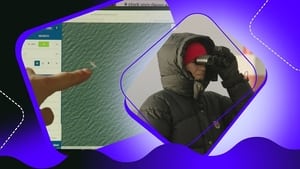
44. Stille dreiging: Russische spionage voor onze kust
⏱ 16 minRussian spy ships secretly visit our coast. For days they lie quietly in our part of the North Sea above important data cables, gas pipelines and near wind farms. Is Russia preparing to sabotage our infrastructure at sea? Pointer follows the ships Admiral Vladimirsky and Yevgeny Gorigledzhan, ships that, according to Russia, only conduct seabed research. But their strange course and their involvement in a secret military program raise questions. What exactly are they doing there and is our infrastructure at sea really well protected?
45. Piepende oren
⏱ 25 minThe Health Council recommended a year ago that the volume knob should be lowered. Yet that doesn't happen. Is there enough attention to the adverse effects of (too) loud noise on our ears? Doctors have long feared a tidal wave of patients with 'a ringing in the ear'. Shouldn't the government take harder action or is it mainly your own responsibility to deal sensibly with your hearing?
46. Vallen vrouwen onnodig uit door de overgang?
⏱ 25 minHot flashes, muscle pain, mental problems... More attention is finally being paid to menopausal complaints. Famous Dutch people make podcasts and books about it, and it is even discussed on TV and social media. But what is that like in the workplace? In the Netherlands there are approximately 1.9 million female employees aged 40 and over. An estimated 315,000 of them are in perimenopause (the period before your periods stop). And for at least half (173,000 women), the complaints affect their work. Can women talk about it? How do employers and (company) doctors interact? And aren't complaints quite easy to treat?
Pointer 202440 episodes
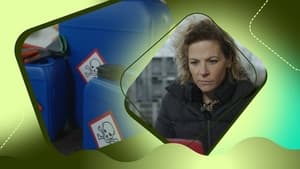
1. De giftige lobby: de macht van chemiebedrijven
⏱ 25 minPointer investigates the power of the Brussels pesticide lobby. More and more scientists are concerned about the relationship between pesticides and diseases such as Parkinson's, but plans to reduce the use of pesticides are encountering great resistance. The controversial herbicide Glyphosate may continue to be sold on the European market for the next ten years and an important law to halve the use of pesticides by 2030 is being rejected by the European Parliament. What tactics does the lobby use and why is it so successful?
2. De gehandicaptenzorg moet anders, maar hoe?
⏱ 25 minWhere should people who are dependent on someone else 24 hours a day focus? There is limited space in large healthcare institutions and the number of people working in the institutions has also been declining for years. The attention, regularity and structure of home cannot be guaranteed in such an institution. Families are faced with a dilemma: keep it at home, even if that is no longer possible, or take matters into their own hands? Everywhere in the Netherlands, parents join forces in small-scale housing initiatives that combine care and shelter. How feasible and affordable are these types of alternatives? Which buttons can be turned and by whom?
3. Fillers bij de schoonheidsspecialist: mag niet, gebeurt wel
⏱ 25 minYou can have fillers injected into your face to fill in lines and folds, or, for example, to give your lips more volume. More and more people are using them. Legally, only doctors are allowed to inject fillers. Yet you also see many beauticians without the correct papers, a lucrative business in fillers. This is not without risk, because if a filler is injected incorrectly, it can cause serious complications. Is there sufficient supervision of these actions?
4. Overlast van houtrook
⏱ 30 minIn winter, many people like to light a crackling fire. Cozy right? But wood smoke regularly causes nuisance and can cause health problems, as is the case with Dirk. He experiences nuisance because local residents burn wood, it makes him short of breath and keeps him awake at night. If he reports it to the municipality, little happens. What can he do?
5. Huurders in de kou
⏱ 26 minThousands of tenants are stuck this winter. Their houses are poorly insulated, sometimes with only single glazing in the windows, forcing residents to choose: either high heating costs or wearing sweaters on top of each other to fight against moisture, mold and draughts. The government says that landlords must improve homes, homes with poor energy labels first. But Pointer discovered that the energy label does not properly indicate how cold a house is. For example, a home can have a label and still be ice cold due to gaping cracks or incorrect insulation. Why do we focus on energy labels?

6. Lawaai op de werkvloer
⏱ 25 minAbout 900,000 people are exposed to harmful noise during their work. And that can, for example, lead to a ringing in your ear, hypersensitivity to sound or hearing loss. Sometimes this is due to a loud bang, such as when police officer Raya had a fireworks bomb thrown at her head. Much more often, however, hearing damage occurs gradually, due to long-term exposure to noise that is slightly too loud. For example, lifeguard Jack tells Pointer that he suspects his hearing loss was caused by all those hours in a reverberating swimming pool. What can employers do to prevent the risks of hearing complaints? And are they doing enough?
7. Hoogwater
⏱ 25 minFlooded streets and underwater basements: flooding is becoming increasingly common in large parts of the Netherlands. For example, in 2021, tens of thousands of households in Limburg experienced a devastating flood. Houses were flooded and in the city of Valkenburg alone, 2,300 houses were damaged and 700 homes were temporarily uninhabitable. More than two and a half years after the driveway, we are talking to residents and administrators in Limburg. Are sufficient measures being taken to prevent a flood in the future as much as possible?

8. Mensenhandel en seksuele uitbuiting
⏱ 25 minThere are at least 45,000 advertisements online luring Eastern European sex workers abroad, including the Netherlands. What exactly is hidden behind these advertisements? Last year, journalists in an international research team investigated how these sex workers can become victims of human trafficking and sexual exploitation. This digital method of investigation is also a method that the Dutch police and the Public Prosecution Service want to apply, because the underlying criminal networks remain out of reach with the current approach.

9. Maken de vele ongezonde reclames ons dik en ziek?
⏱ 25 minWe receive tens of thousands of food advertisements every year: KFC as a Christmas meal on TV, Snickers bars in online videos and Coca-Cola on billboards. At least three-quarters of all those food advertisements are about unhealthy food; produce more than a billion euros annually. Meanwhile, 2.6 million Dutch people are already in favor of the government's one lifestyle program after another. The call for an advertising ban - just like with tobacco - is increasing, but doesn't all that temptation make healthy living much more difficult for the vulnerable? Who are actually the biggest advertisers and do they want to stop?

10. Onder de Waddenzee ligt een pot met goud verstopt
⏱ 25 minWill the gas drill go into the bottom of the Wadden Sea one more time? The Dutch Petroleum Company submitted a permit application for the gas field off the coast of the village of Ternaard 9 years ago. Three cabinets later, it has still not been decided whether the project can go ahead. Last week the decision was postponed again. Why is this taking so long? The Netherlands must get rid of gas and the risks to nature are great. How can we be sure that no lasting damage will be done to the UNESCO World Heritage Site? The cabinet no longer wants it and the municipality, the water board and the province are also against it. What is the State Secretary still waiting for?

11. Buitenspelen in de knel
⏱ 25 minThe outdoor play space of Dutch children is under pressure. At a time when we have to build many new homes and land is scarce, play space sometimes seems to come last, while playing outside is so important for the development and health of children. We visit Emmeloord and The Hague, where space loses out to housing. And we investigate the situation with the size of perhaps the most important outdoor play area for children: the schoolyard. How strict are the standards that must guarantee outdoor play space for children in the battle for the land?

12. Onrust onder toeslagenslachtoffers
⏱ 25 minA special scheme should help those affected by the benefits affair to make a new start. But those who turn to the municipality for help often have to wait a long time. As a result, confidence in the government is once again being dented. Large differences between municipalities also cause a lot of frustration. Why does one municipality pay for a complete renovation and the other municipality not even pay for a new chair? Doesn't this well-intentioned arrangement actually widen the gap between citizens and government?

13. Huurders in de knel
⏱ 26 minHigh rent while your house is full of mold and vermin. Young tenants are often the victims of the overstressed rental market. The housing shortage is so great that landlords are asking exorbitant prices for houses. Sometimes up to half of your monthly income, while the home is in poor condition. What can you do then? The law states that tenants have the right to lower rent or improvements if a house is really bad. But what about this in practice? In the private rental sector you can only enforce this through the courts. An expensive route that few people dare to take. Are tenants footing the bill for the runaway housing market?
14. Vliegtuigherrie
⏱ 25 minMore than 700 planes overhead in one day. Winnie de Wit from Assendelft has been fighting for years to reduce the number of flights over her house, but so far without success. Local residents of the possible fourth approach route - which is drawn over parts of Utrecht and Gelderland - are concerned that they too will no longer be able to sleep peacefully or that the beautiful nature in their area will be disturbed.

15. Geluidsoverlast straaljagers
⏱ 25 minDue to the military threat, Defense wants to fly more fighter jets over the Netherlands. There is a good chance that more fighter jets will also take to the air from Leeuwarden air base. Local residents are already struggling with a lot of noise pollution from the overshooting aircraft. And the new plans require the demolition of at least fifty homes around the base, because it becomes unliveable there due to the loud noise. Residents are doing everything they can to prevent this. And how is it possible that fifty homes may disappear, while the municipality of Leeuwarden wants to build a new asylum center, almost against the fences of the air base?

16. Greenwashing door gasbedrijven
⏱ 25 minThere is a good chance that you pay for CO2 compensation through your gas contract. Gas suppliers would have you believe that 'green' projects elsewhere in the world can eliminate your CO2 emissions, but most projects are based on hot air. Gas suppliers claim to be able to greenwash gas, but mislead consumers. Should the supervisor intervene? Meanwhile, a surprising Chinese newcomer is entering the market: the largest pork production company in the world, whose 'green' projects are already expected to 'make up for' air travel emissions.

17. Online haatzaaien, wat doet het met ons?
⏱ 25 minAnyone who follows the Radio Genoa account on X (Twitter) is inundated with videos of black people committing violence or behaving inappropriately. Radio Genoa's message? "This happens when you let refugees into Europe." The videos have been viewed billions of times, also because followers retweet them so much. Among them, PVV leader Geert Wilders and Elon Musk, who bought Twitter and renamed it X. Since then, these types of extreme accounts that want to create fear and hatred for people with a migration background have grown strongly. We reveal who is behind this account and find out what the consequences are for society.

18. Straatintimidatie te lijf
⏱ 25 minHissing, sexually explicit comments and annoying chasing: many women suffer from street harassment. We investigated where women feel unsafe in the Netherlands and received thousands of responses. Municipalities have been struggling for years to tackle street intimidation. What works? Information and campaigns or repression? As of July 1, street intimidation is punishable. A step in the right direction, but what about enforcement? We speak to victims, investigate the role of education and look at what boas and the police can do about this persistent problem.

19. Hoe luid mag je buitenspelen?
⏱ 25 minPlaying outside is perhaps more important than ever, especially now that children spend hours in front of a screen every day. But when they play, children make noise. And while one person finds loud children's voices and popping balls 'fun', another suffers from it in an increasingly busy Netherlands. Sometimes so much that municipalities find themselves in a difficult dilemma about what to do with leeway. Because which interest is more important: that of the child playing outside or that of the neighbor experiencing nuisance? How do municipalities deal with this? And is the balance between fun and rest still maintained?

20. Boerendilemma: geld of de grutto?
⏱ 25 minThe young farmer Burchart (25) is having a hard time. He does his best to save disappearing meadow birds, such as the godwit. But compensation for nature measures often does not outweigh the significant time investment and lower milk yield. What future prospects are there for young farmers who want to take nature into account? The drastic decline in the number of godwits in the Netherlands is indicative of the biodiversity crisis in rural areas. Who is willing to pay the bill for nature? The dairy processor, the supermarket or the consumer?
21. Tot de schijt ons doodt
⏱ 26 minWhere do you put ten billion liters of manure? In the Netherlands we are suddenly faced with a surplus of 300,000 tankers full of manure. Due to new rules, farmers are much less allowed to use their own land, so they have to look for other solutions. But which ones are they? Processing is expensive, fermentation is limited. And so a hard, emotional battle arises for the last pieces of land in the Netherlands that we can fertilize, at high costs. Those who can no longer participate will perish. At the same time, other countries are eager for our manure. Why can't it go there?
22. Dementiezorg: vrijheid versus veiligheid
⏱ 26 minSince the Care and Coercion Act came into effect in 2020, as little 'involuntary care' may be provided in dementia care. This also means that people with dementia who do not pose a danger to themselves or those around them should not simply be locked up. And so some nursing homes choose to open the door. People with dementia who go where they want as much as possible, even if they live in a nursing home. Is that possible or is it too big a risk? How do family and healthcare institutions deal with this?

23. Het PFAS-probleem
⏱ 25 minAt the beginning of this year, one of the largest PFAS contaminations in the Netherlands was found in the water of the Jelsumervaart around Leeuwarden. The poison even exceeded the standard in some places by 900 times. How come this wasn't discovered earlier? And what does this mean for the people who live on the water or have a vegetable garden on the polluted canal? Are their concerns about PFAS in their fruits, vegetables and eggs justified? And what about the rest of the Netherlands: how is it possible that more and more private individuals are discovering that their own chickens lay eggs that contain PFAS?

24. Kun je me even ophalen van het station?
⏱ 26 minWho is responsible for the safety of women on public transport? We asked more than 7,000 women where they feel unsafe and en masse they pointed to stations and public transport. For fear of transgressive behavior, they close themselves off, avoid scary places or arm themselves. We also discovered that carriers do not map out how differently men and women experience safety. How do NS, ProRail and regional transport companies ensure that everyone feels safe? We spoke to experts and the women who use public transport.

25. Worden zij-instromers in het onderwijs weggejaagd?
⏱ 25 minAt the start of a new school year, many schools are uncertain whether there will be a teacher for every class. Every little bit helps and lateral entrants are desperately needed. Yet these career changers have a lot of criticism about their trajectory: endless assignments and reports, too little time and money, no good guidance and a general lack of customization. How is this possible in light of the major staff shortages? More than half of school leaders also believe that this route, which is intended to attract more people to education, can and should be improved.

26. Eigen schuld, dikke bult?
⏱ 25 minMany young people still end up in debt. Experts point to the increasing number of digital temptations lurking for young people, such as the option to pay for things afterwards. Is the young brain resistant to such temptations? Once you have debt, it is difficult to get rid of it. Some municipalities are experimenting with buying off young people's debts in exchange for social compensation. For example, Thalissa (26) became debt-free after a number of difficult years. But not all municipalities are convinced of this method. How do we best help young people with debts?

27. Moeten we jongeren smartphonevrij opvoeden?
⏱ 26 minAre smartphones indispensable in the lives of young people? Or would they be better off without it? The mental health of young people, especially girls, has deteriorated alarmingly in recent years. This roughly coincides with the rise of smartphones and increasingly addictive social media, but does this also have a causal relationship or are other factors more important?

28. Is ons land wel voorbereid op Russische dreiging?
⏱ 26 minHeavily armed soldiers from the Russian army sail through our waters. They keep a close eye on NATO countries on board research ships, which secretly engage in espionage and possible sabotage in the North Sea and Baltic Sea. Pointer starts an international investigation and discovers that the Russians are closer than we think.

29. Zorgcowboys
⏱ 25 minHelping 1 million elderly people grow old happily, that was the mission of healthcare organization Zorg van Toen. If you are bankrupt, you may not be able to buy it. There are no warnings about the personal installation of the levers without any regulations. After the collapse, some very elderly residents, such as Simmy (88) and Theun (90), had to quickly look for another care institution. How is it said to have gone so wrong?

30. Misleidende webshops
⏱ 26 minHow do you prevent online scams? We all do it: online shopping. But it also often goes wrong. For example, you think you are ordering gold jewelry online from an older jeweler couple in the Netherlands who are retiring, but in reality you are getting plastic junk from China. Every day, 40 people report online trade fraud via a webshop. Can online fraud still be stopped? And who is responsible for doing this, the police, the judiciary or should we as consumers pay more attention?

31. Jong en geen thuis
⏱ 24 minMore and more young people in the Netherlands are homeless. Vulnerable young people without a social network are often alone from the age of eighteen. Finding affordable housing seems almost impossible, so they wander from bank to bank, or even sleep on the street. There are plenty of support agencies to turn to, but they are often unable to offer what this group needs most: a roof over their heads. The government launched an action plan two years ago to change this. First a house, then other help, was the idea. But will that plan get off the ground?

32. Ik mag niet kleiner wonen
⏱ 26 minTenants in social housing are stuck. Often they can only move by exchanging homes. A senior who lives too large and wants a smaller house, for example because the children have left home, can then exchange with a young family that is looking for a place. This is legally allowed, sometimes even with retention of rent. And socially, this helps people find a more suitable home, who would otherwise have stayed in their old house. Tenants who want to exchange each other's front door keys only encounter all kinds of obstacles. For example, corporations regularly turn against an exchange. Why? Money often turns out to be a reason.

33. Iedereen samen naar school: een illusie?
⏱ 25 minBy 2035, everyone must attend a regular school in his or her own neighborhood, including children who need extra support or care. But can regular schools offer this? More and more children are at home and waiting lists for special schools continue to increase. Damian (12) has also been at home for a few weeks. For years his autism went unnoticed, meaning he received no support. The transition to seventh grade was the last straw, Damian dropped out. He now has to wait for a place in special education.

34. Arbeidsongeschikt en in de knel
⏱ 25 minSince Ben was the victim of a serious motorcycle accident four years ago, he has been at loggerheads with the UWV. According to the UWV, he can easily find a job somewhere, but it is impossible for Ben to perform the functions that the UWV proposes. Are we assessing disabled people correctly? Experts have been warning for years that many people are in trouble due to overly strict rules regarding disability. Minister Van Hijum will soon present his plans for the future. Is our disability system finally about to be overhauled?
35. Gedwongen opsluiting in de ggz
⏱ 25 minIn 2016, twelve of the largest mental health institutions entered into an agreement to stop seclusion, the forced solitary confinement of patients in a separate room, by 2020. Most of these organizations still segregate people every day. According to new figures from the Health and Youth Inspectorate, seclusion has even increased sharply. But how reliable are those figures? Patients and relatives of the Clinic and the Intensive Treatment Center talk about the traumas that sometimes caused months of solitary confinement. Is dignified care compatible with solitary confinement?
36. Zorgcowboys nog steeds actief
⏱ 26 minDubious healthcare companies still seem to be able to easily get away with abusing healthcare funds. Five years ago, Pointer journalists came up with a list of possible healthcare cowboys, companies that make a lot of profit at the expense of care for their clients. New research shows that little has changed. How is that possible? Because several parties promised improvement. Hugo de Jonge, the then Minister of VSW, promised to take action against these practices. And various municipalities also took measures. Pointer finds out where things go wrong. How is it possible that healthcare cowboys still benefit enormously from our healthcare system?
37. Gedupeerden Twents kanaaldrama zijn op
⏱ 25 minThe Twente canal Almelo-De Haandrik had to be prepared for larger shipping traffic. But after the work was completed in 2016, residents of about 400 homes around the canal suddenly suffered damage. The residents were sure: this had to be due to the work. Yet to this day, the province denies guilt in many cases. After years of wrangling with the government, Overijssel seems to be coming up with solutions. Recently, tailor-made solutions have been sought. That sounds good, of course, but isn't that way too late? The residents are completely exhausted by the battle.
38. Vergeten veteranen
⏱ 25 minHundreds of soldiers who have been on missions come home with mental trauma. Not only do they have to deal with this themselves, but their families are also burdened with this. How is it possible that many families feel abandoned by Defense, while the Veterans Act states that they must also be cared for?

39. Conflict om de lelieteelt
⏱ 25 minResidents living near lily fields are concerned. Many pesticides are used in lily cultivation. These can pose health risks. Over the past year, local residents went to court in various places in the Netherlands. They tried to stop new lily cultivation, or to enforce that growers can only use a limited number of pesticides. In some places the judge agreed with local residents, but is the judge not doing what the government should actually do: protect local residents against health risks and provide clarity about what growers are and are not allowed to do?

40. De verloren thuiszitter
⏱ 25 minSick students who are at home for a long time, receive little or no education and over whom compulsory education officials have no control. They often wait for months for care or a suitable place at school. According to estimates, there are twenty thousand children who are not visible to municipalities. How is it possible that this group disappears from view? And why is it not possible to get these children back to education?
Pointer 202520 episodes

1. Oma kan niet weg uit haar grote huis
⏱ 25 minBuild a house for an elderly person, and help everyone. There is a great need for senior housing, the government says. Due to the aging population and the healthcare crisis, there must be 288,000 houses in which seniors can live comfortably, preferably together. This also helps against the housing shortage, because when an elderly person moves, a large house often becomes available, which leads to a series of moves. Yet municipalities hardly allow any additional senior housing to be built. The construction of senior courtyards, care homes and houses without stairs is even worse than normal housing construction. How is that possible?

2. Chronisch ziek in de bijstand
⏱ 25 minElke (22) has been looking for a suitable job for years, but due to her autism and mental problems she keeps dropping out. Ultimately, she applies to the UWV for a Wajong benefit, a benefit for young people without the ability to work. You only get this if you can never work again. But how do you prove that when you are still so young? And can UWV doctors make such a prediction? Feline (37) can also hardly work due to various conditions. Yet she does not receive Wajong benefits. She has been on social assistance for years, including all the strict rules. Shouldn't we help young people with disabilities better? And what does politics do for this group?

3. Zijn huizen in aardbevingsgebied Groningen veilig?
⏱ 30 minThe strengthening of the houses in the Groningen earthquake area is difficult. The reinforcement advice of the National Coordinator Groningen, which states whether or not a house should be reinforced, raises questions. Pointer receives dozens of tips from residents who say there are errors in the reinforcement reports they receive about their own home. Sometimes the drawings are incorrectly measured or are incorrect. Also, the advice is often not well-founded and cannot be checked because the calculations are missing. Can residents still trust that they live in a safe house?
4. Op de vlucht voor luchtvervuiling
⏱ 25 minAll Dutch people live an average of eight months shorter due to bad air. And in some places the damage is even greater, such as in the west of Rotterdam. Highways, industry, an airport, shipping, animal husbandry and wood burning come together. However the wind is, you breathe in pollution. Citizens have therefore started their own measuring installations. With titles such as De Neuzen van Vlaardingen, they check the status in their own backyard. Residents see that air pollution sometimes goes far above the limit. They are proven right by scientists and even the measurement services. But what can you do then?

5. Hoe Joodse musici verdwenen uit het KRO-orkest
⏱ 29 minWe dive into the war past of the KRO. What happened to the Jewish musicians who disappeared from the broadcaster's orchestras long before the war? Did their Jewish origins play a role in the dismissal? A reconstruction based on hundreds of previously undisclosed archive documents, the criminal files of the KRO leadership and conversations with surviving relatives of Jewish KRO musicians of the time.
6. Leefbaarheid in arme wijken komt in de knel
⏱ 26 minAcross the Netherlands you can see that the quality of life in neighborhoods with a lot of social rent is deteriorating further. Due to the allocation policy of social rental housing, status holders and people with, for example, psychological problems, addiction problems or debts are all placed together in one neighborhood. This creates an accumulation of problems in these neighborhoods. This increases the nuisance and you see neglect of public space. This is also the case in the Geitenkamp district in Arnhem. In recent years, many shops and facilities have also disappeared here, as a result of which residents are now resisting.

7. Boer zoekt pacht
⏱ 24 minBy 2030 there must be three times as much organic farming. According to experts, leasing land to organic farmers is an important tool, because a third of all agricultural land is lease land. Why does the government as a big leaseholder often opt for the highest bidder? This also happens to organic farmer Pieter Boons. For years he leases a piece of land that he cares for with great love, but then the province of Noord-Brabant no longer renews its temporary lease. He loses the land to a farmer who offers more money, but is not organic. Does the government use their lease land to make it more sustainable or more like dairy cow?
8. 10 jaar oud en anorexia
⏱ 26 minOne of the most deadly mental illnesses, anorexia, strikes at a young age. There is a noticeable increase in girls from even ten years old. They can hardly go to a clinic. The municipality should provide help for the family, but that does not always happen either. Because if your own municipality has not arranged the care properly, then you are out of luck. Parents sound the alarm. Why does it depend on where you live whether you receive this particularly crucial care?

9. Vermoord door je ex
⏱ 25 minSanne, Wim Hertgers' daughter, was murdered by her ex-partner. For years, she lived in a marriage where intimate terror was prevalent, a form of domestic violence in which the victim is controlled and manipulated by the partner. Now Wim travels the country with a truck full of photos of other women who have been victims of femicide, to warn women and point out the signs of unhealthy relationships. Ten percent of women are confronted with domestic violence. But they often do not know where to find help. How is that possible? And what needs to be done to improve the help for victims?

10. Van Zweden: musici schetsen 'patroon van angst'
⏱ 26 minWe investigate the working methods of the Netherlands' most famous conductor: Jaap van Zweden. A 'pattern of fear' emerges from dozens of conversations with musicians. We speak to orchestra members and people from the orchestra's staff, compare their stories and ask experts whether this is unacceptable behaviour. How serious is it? Musicians talk about calling in sick to get out of his way, about using medication and about years of stress. Why did no one intervene for all those years? And, could it be done differently?
11. Naschokken in Groningen
⏱ 25 minFor years, residents of Groningen have been living in uncertainty. Their homes are damaged and the promised reinforcement of their homes is not forthcoming. They often receive piles of research reports from the National Coordinator Groningen about the state of their homes, but these are not always complete or contain errors. And in the homes that are finally reinforced, several residents are left with construction errors and defects in their homes. How can things go so wrong in Groningen? We investigate this together with the residents themselves, construction experts, politicians and lawyers.

12. Nederlandse Sonja maakt propaganda voor de Russen
⏱ 28 minIn the war in Ukraine, Russia uses a special weapon: Dutch people crossing the border. Ordinary citizens who are done with Europe, cross over to Russia and spread stories from there that the Kremlin likes to see. One of them is the Dutch Sonja van den Ende. She moved from Twente to Moscow and now appears on Russian television with anti-Western stories. Her articles also appear in Dutch alternative media, often with disinformation. Like her, dozens of Westerners are spreading pro-Russian stories in Europe. Why do they do this? And to what extent do their stories already have an effect on politics?
13. Duizenden vrouwen laten borstimplantaten weghalen
⏱ 26 minLotte (46) opted for breast augmentation with silicone implants over twenty years ago. For several years, she has been struggling with fatigue, joint pain, and difficulty concentrating. That's why Lotte is having her implants removed. Would her symptoms disappear then? Many thousands of women have gone before Lotte. Why is a growing number of women having their breast implants removed? The Clara Wichmann Agency will soon be filing a claim for damages on behalf of 60,000 women due to the health risks allegedly posed by breast implants manufactured by Allergan. How safe are breast implants, really?
14. Bestrijdingsmiddelen splijtzwam in dorpen
⏱ 24 minGeneral practitioner Evelien van Soldt and her husband Rieuwert de Haan from Wapserveen are protesting against the use of pesticides in lily cultivation. They are deeply concerned about the health of local residents. The protests against the pesticides are causing significant tensions in their village. Van Soldt: "Because the municipality lacks a policy, residents are at odds with each other, and the threats are increasing. Many people are therefore afraid to voice their concerns." The use of pesticides is increasing polarization in more and more towns. How are municipalities addressing this?
15. Creepshots
⏱ 35 minImagine: someone follows you around town, secretly filming your face, buttocks, and breasts, and sharing the images worldwide. These are creepshots: surreptitious, sexually explicit photos and videos of unsuspecting women. They are widely distributed and commented on in closed online groups by other creepshot takers. The research program infiltrates these secret networks, discovers Dutch victims, and exposes a global ecosystem. And, together with a specialized law firm, fights to remove victims of this intimidating and criminal abuse from the internet.
16. Woningnood? Hier staan 90.000 huizen leeg
⏱ 25 minHow is it possible that during this housing shortage, tens of thousands of buildings remain vacant and dilapidated for extended periods? Pointer takes a bizarre tour of empty churches, offices, shopping streets, and homes, some of which have been vacant for over twenty years. Frustrated property owners explain how rigid regulations have led us to this impasse. But the government is blaming the owners and wants fines for vacant buildings. Will that help? Or would we benefit more from the new generation of squatters? Or from 84-year-old Grandpa Kees from Gouda, who is converting empty buildings into homes himself. Will he help us out of this predicament?
17. Gevaarlijke schimmel rukt op in Nederland
⏱ 25 minA dangerous fungus claims several hundred lives in the Netherlands every year. The Health Council considers this a serious threat to public health and believes the government must intervene.
18. Afval stapelt zich op
⏱ 25 minTorn open garbage bags, used diapers, or a lost refrigerator: major Dutch cities spend millions cleaning up trash dumped next to a container. And residents say it's getting worse. What will solve the problem? More fines and camera surveillance, or education and more frequent collection? And where does the responsibility actually lie? With the resident or the municipality?
19. Damascus dossier
⏱ 27 min150,000 Syrians live in our country, having fled Assad's bloody regime. But are they safe in the Netherlands? Or are Assad's supporters also lurking here? We are gaining unique access to tens of thousands of previously undisclosed documents from Syrian intelligence agencies. The documents also provide new insights into the death of Syrian activist Mazen Al-Hamada. He fled Syria to Hillegom in 2014 to escape the torture practices of the Assad regime. Six years later, he unexpectedly returned to Syria under mysterious circumstances, where he was immediately arrested and killed.
20. Gaan vakantieparken de wooncrisis oplossen?
⏱ 25 minMore than 60,000 Dutch people live in holiday homes, sometimes beautifully hidden in nature. Some are forced to do so, because the housing shortage leaves them nowhere else to go. Living like this is prohibited, so residents face inspections. Inspectors peer through windows and issue fines, while residents hide behind their sofas and become even more stressed. This has to stop, says the national government. Minister Mona Keijzer wants to grant residents ten years' permission to stay. But municipalities are resisting, and that's putting residents in a difficult position. Who should they listen to? And why are municipalities so fiercely opposed?
Pointer 20266 episodes
1. Episode 1
⏱ 25 minSince councilor Ashley North rolled out the new parking policy in Leiden, he has become the target of online hate and threats. He is increasingly being verbally abused on the street, until eventually, at a residents' meeting, he is threatened with death multiple times. How could it escalate to this point? Currently, about half of local politicians are dealing with aggression. Local party leader Femke Hoekstra-Wittebol also experiences this, having been intimidated and insulted online for almost a year. Why is it so difficult to curb this problem? Are we doing enough to tackle online perpetrators?
2. Violence videos
⏱ 25 minFights, humiliations, and bullying that are filmed and spread across various social media platforms: a growing group of underage youths is involved in this type of violence video. Researchers call it hybrid violence: the violence is already severe for the victims, but because it is spread online, the damage increases further. A survey among schools shows that this new phenomenon also causes problems at school. What can be done against this form of hybrid violence? And, what is the responsibility of the social media platforms?
3. Episode 3
⏱ 25 minThe municipality of Zaanstad is using heavy artillery to tackle crime in poor neighborhoods. To weed out the bad apples, the window cleaning industry is being overhauled. Other municipalities are also trying to get a handle on businesses with strict inspections and measures, for example, in the automotive industry, where they combat money laundering and drug trafficking. How far can a municipality go in this regard? And what do all these measures mean for bona fide businesses?
4. Episode 4
⏱ 25 minEmpty shops, unused display windows: Dutch shopping streets are struggling with vacancies, while the housing shortage is sky-high. In medium-sized municipalities like Apeldoorn, Rijswijk, and Zeist, vacancy rates often exceed ten percent. Yet, we could build tens of thousands of homes just on the floors above shops. But that's not happening because of a mountain of restrictive regulations. For example, every home must have a parking space, even for car-free residents. A business owner shows how he's lived with a building for four years. House hunters are watching with dismay. How many opportunities are we missing?

5. Cel uit, rolstoel in
⏱ 25 minPrisoners are entitled to the same care as other Dutch citizens. But for Anna, who has been incarcerated for six months, things have gone terribly wrong during this time. The medical care she receives is severely inadequate, and she leaves prison in a wheelchair. How could this have gone so wrong? For decades, experts have warned that prison care is sometimes inadequate. For example, guards without medical training are responsible for dispensing medication, and ongoing care programs are not always continued. Why is this so difficult to change?
6. Episode 6
⏱ 25 minNo description available.
Season 145 episodes

1. Episode 1
⏱ 13 minWhat are the health benefits of intermittent fasting? We delve into the science behind fasting. Many people lose weight by eating only between 12 and 8 p.m. Water fasting is also promoted on social media. This involves eating nothing for days and drinking only water and coffee or tea. Like student and content creator Jordy. He sometimes goes 48 to 100 hours without eating anything, subsisting on only water and electrolytes. Professor Hanno Pijl of Leiden UMC also practices intermittent fasting. He explains how it can improve metabolism and how damaged cells are cleared through the biological process of autophagy.
2. Episode 2
⏱ 12 minBaking, roasting, or frying—we all use them: vegetable oils. From sunflower oil to canola oil: they're in practically every kitchen. But according to some influencers, they're bad for you. These oils are said to be hyper-processed, contain too much omega-6, and oxidize quickly, leading to chronic inflammation, cancer, and heart disease. How is it possible that the influencers spreading these ideas and the scientists criticizing them both base their claims on science? We investigate the facts with nutrition scientist Coen Dros, who actively combats nutritional misinformation on social media.
3. Episode 3
⏱ 12 minEvery drugstore and supermarket has them on their shelves these days: expensive collagen powders, pills, or creams. They're for people looking for wrinkle-free skin or supple joints. But do these products live up to their promises? We'll try collagen powder for a month and analyze the results with a dermatologist. They'll also warn about the risks: the collagen powders are almost always derived from animal sources, such as cartilage, skin, and bones from cows, or fish scales, and may therefore contain heavy metals. We'll also review scientific studies and explore alternatives to collagen products.
4. Episode 4
⏱ 15 minNo description available.
5. Episode 5
⏱ 12 minNo description available.